How much cash do you need in Japan?
The cash you need depends on what you will pay for before your next ATM visit. If accommodation and long-distance transport are prepaid, that may mainly mean meals, temple admission and small-shop purchases. For a rural day out, include bus fares and entrance fees. Adapt the examples below to your own itinerary.
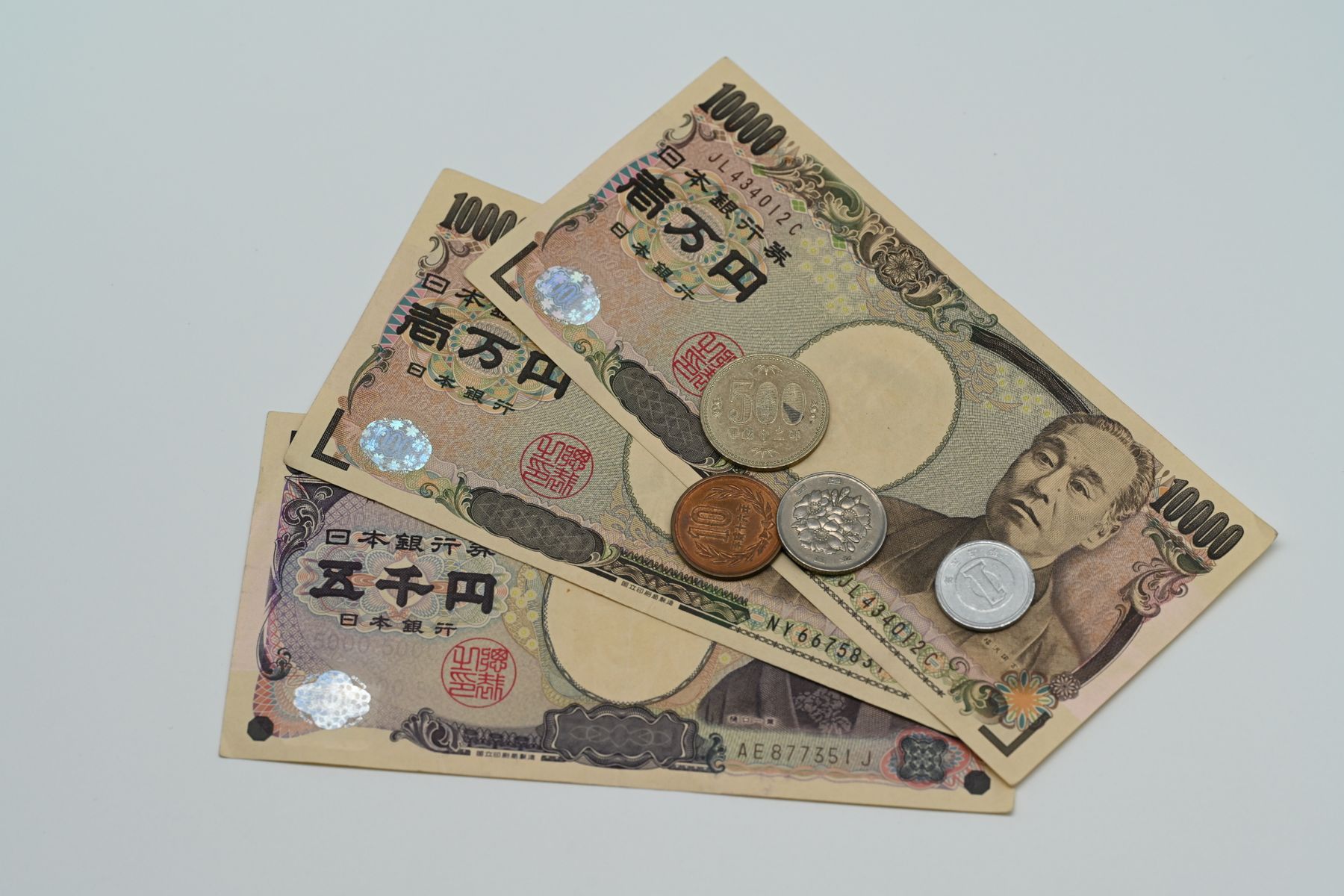
Match your payment plan to the trip
| Itinerary | When to keep extra cash | Main payment approach |
|---|---|---|
| Mostly cities | Small restaurants, temples and shrines, lockers | Cards and IC cards, with cash in reserve |
| Rural areas and suburbs | Local buses, independent shops and ticket machines | Add cash-only return transport, meals, admission and a reserve |
| Accommodation or long-distance travel not yet paid | Preparing for card problems or restrictions | Carry more than one card and arrange payment for outstanding costs |
Calculating a cash budget
Think in terms of expected cash payments before your next ATM visit, plus a reserve. List the payments still outstanding rather than using your entire trip budget as the cash target. For a rural day trip without ATM access, prepare enough for the return journey before setting out.
- City example: ¥1,500 for a cash meal + ¥500 admission + ¥1,500 reserve = ¥3,500. This assumes other payments use cards or an IC card, with an ATM available the following day.
- Rural day-trip example: ¥2,000 return transport paid in cash + ¥1,500 meal + ¥500 admission + ¥2,000 reserve = ¥6,000. This assumes no ATM visit that day.
These are hypothetical calculations, not nationwide spending guidelines. Replace them with actual fares and booking costs. Set aside any unpaid accommodation cost separately.
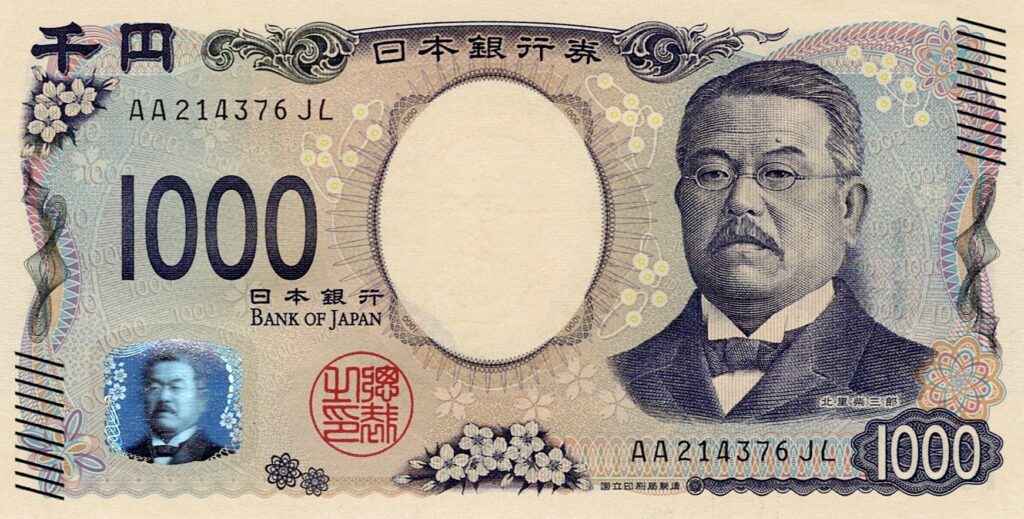
Credit cards and transport IC cards
Credit cards suit accommodation, long-distance travel and larger purchases. Check overseas-use restrictions and your PIN, and keep spare cards separately. Transport IC cards are useful on supported trains and buses and for small purchases at convenience stores and vending machines. They do not automatically buy a Shinkansen ticket, and some rural routes do not accept them.
If you run short of cash
Look for an ATM accepting overseas-issued cards. Seven Bank’s overseas-card guide lists supported brands, hours and withdrawal limits. Some cards may not work even if their brand is listed; your issuer’s overseas settings and PIN also matter.
Charges may come from both the ATM operator and your card issuer. Read the amount and currency before confirming. If a withdrawal fails, contact the issuer rather than repeatedly trying the same transaction. Check the opening hours of the building housing your next ATM, not just its location.
Before departure
- Separate costs already paid from outstanding accommodation and transport charges.
- Check plans that may require cash.
- Check your cards’ overseas settings, PINs and support contacts.
- Keep backup payment methods apart rather than putting everything in one wallet.
For choosing a transport card, see Suica, PASMO and ICOCA.
Official sources
Information last checked: September 21, 2026
Last edited: September 29, 2026. Official sources checked for this update: Seven Bank: overseas-card support / Seven Bank: ATM search
Photo credits
Japanese yen banknotes of an older design and coins — LuoQing · Photo source · Pexels License (Display may use cropping or brightness adjustments.)
The front of the Kitasato Shibasaburo ¥1,000 note issued in 2024 — RegoParkRen · Photo source · CC BY 4.0 (Display may use cropping or brightness adjustments.)
