How to Ride Local Buses in Japan: Boarding, Tickets and Paying
Before boarding a local bus, check which door to use and how to pay. Some buses board at the front with payment first; others board at the rear and take payment on exit. Routes can differ even within the same area, so follow the stop and bus signs.
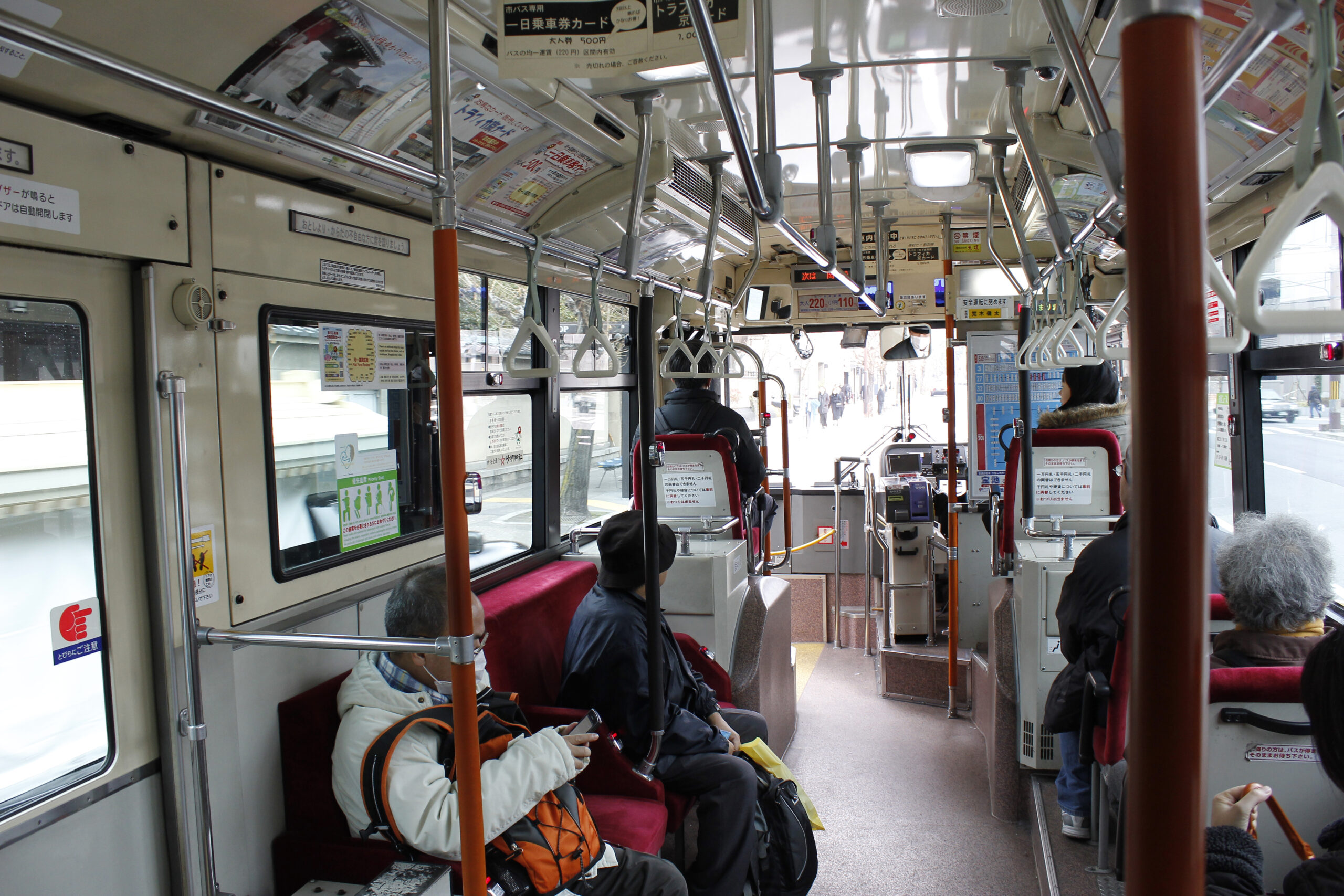
Three checks before boarding
- Destination and route number
- Whether to board through the front or rear door
- Whether IC cards are accepted
Buses for the opposite direction or another operator may share a stop. Check the stop name, boarding-point number and the destination on the bus, not only the time shown by your map app.
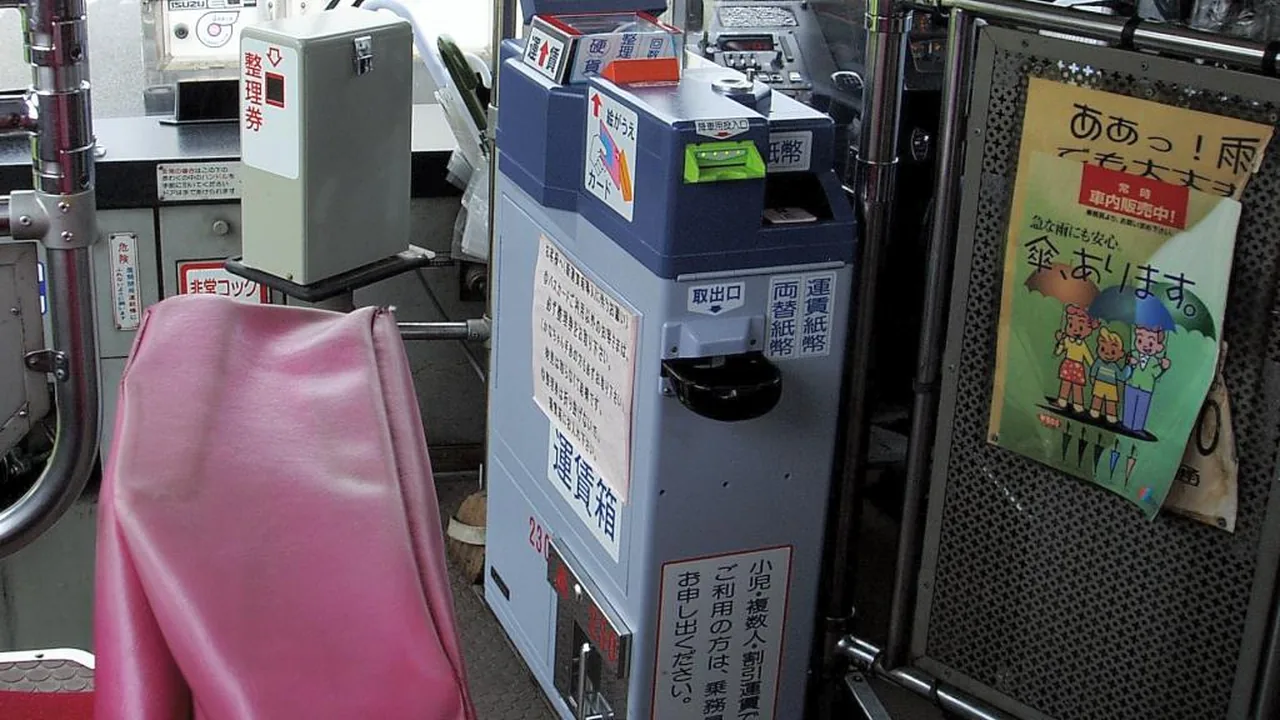
Numbered tickets and the fare display
For cash payment on a distance-based bus paid on exit, take one numbered ticket from the entrance dispenser. Before alighting, match the ticket number to the fare on the front display, then put the ticket and exact fare into the fare box. A change machine may not be the payment slot; follow the labels and driver’s instructions.
Example: your ticket says 3. On a numbered-ticket, distance-based service, find number 3 on the fare display and read the amount shown with it for your stop. The 3 identifies where you boarded; it is not a ¥3 fare. Check the display for the stop where you are getting off, rather than memorising an amount from earlier in the ride. This example explains the number, not a fare for a particular route.
Using an IC card
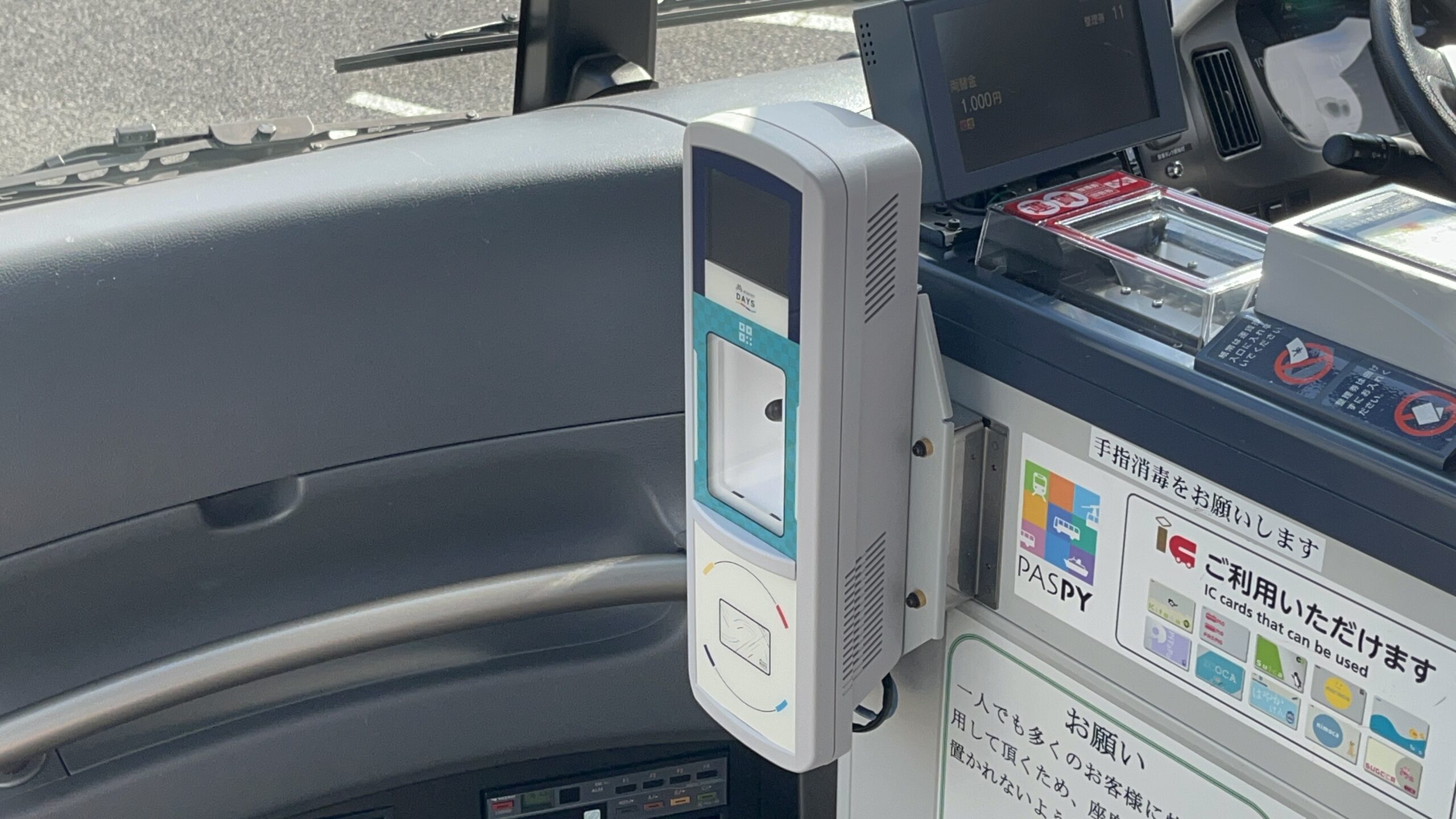
Some routes require tapping on boarding and exit, others only on boarding or only on exit. Read the reader’s instructions and tap a single card. Other passengers offer a clue, but cash and IC-card procedures may differ. Ask the driver if uncertain. Highway buses and reserved routes may not accept transit IC cards.
Problems with tickets, balance or change
If you missed the numbered ticket, remember where you boarded and tell the driver while the bus is stopped. With insufficient IC balance, ask how to pay rather than adding cash yourself. Some vehicles cannot change large notes, so prepare ¥1,000 notes and coins before boarding. If you have only ¥5,000 or ¥10,000 notes, ask before boarding or while safely stopped. Do not walk to the front to change money while the bus is moving.
Getting off
Press the stop button when your stop is announced or displayed. Wait by your seat or a handrail until the bus stops completely, then go to the exit. Tell the driver if luggage makes exiting difficult. Leaving sightseeing suitcases at the hotel or in a locker makes bus journeys easier.
Also see transit IC-card basics and coin lockers and alternatives.
Official sources
Information last checked: September 21, 2026
Last edited: September 29, 2026
Photo credits
— Cassiopeia sweet · Photo source · Public domain (Display may use cropping or brightness adjustments.)

Structure and selected guidance updated: October 10, 2026.