Buying a Tenugui in Japan: A Souvenir You Can Actually Use
A tenugui is a thin, flat-woven cotton cloth, rather than a fluffy bath towel. Before choosing a pattern, decide on one use: drying your hands, helping in the kitchen, wrapping a small object or displaying it on a wall. That decision changes what is worth looking for—and helps avoid a souvenir left in a drawer.
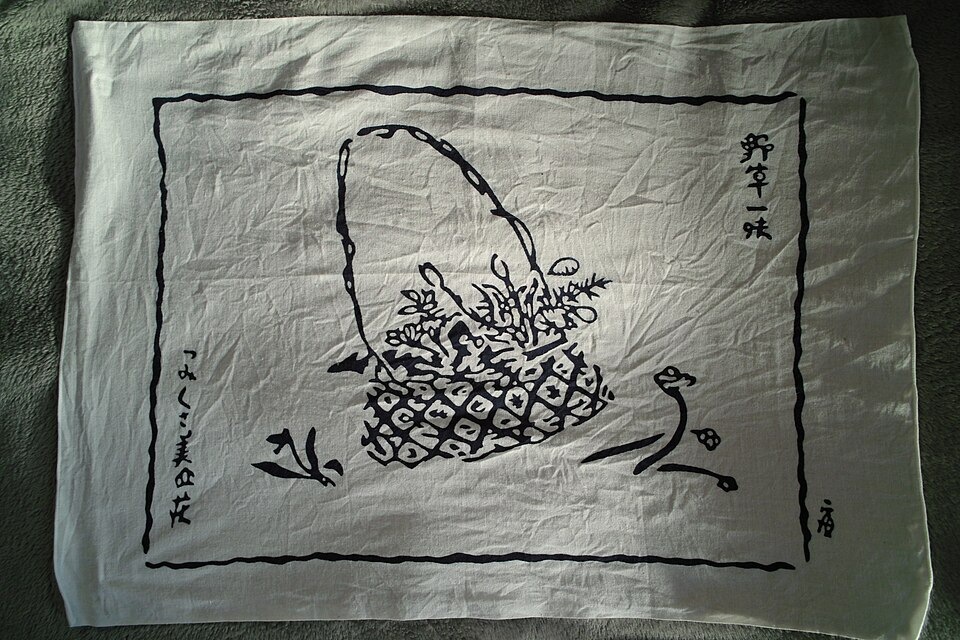
A cloth to display and a cloth to use
For display, unfold it and look at the entire composition. A design that looks appealing in a stack may have a different orientation when opened. If you plan to frame it, take the cloth’s actual measurements rather than assuming it will fit.
For everyday use, look at the pattern when folded and feel how the cloth handles. Repeating motifs often remain visible in a small fold; a large illustration offers a different pleasure when spread out. Neither is the right choice for everyone.
Its light weight makes a tenugui useful when your luggage is already full. A seasonal or locally themed pattern can also make a thoughtful gift for someone whose tastes you know.
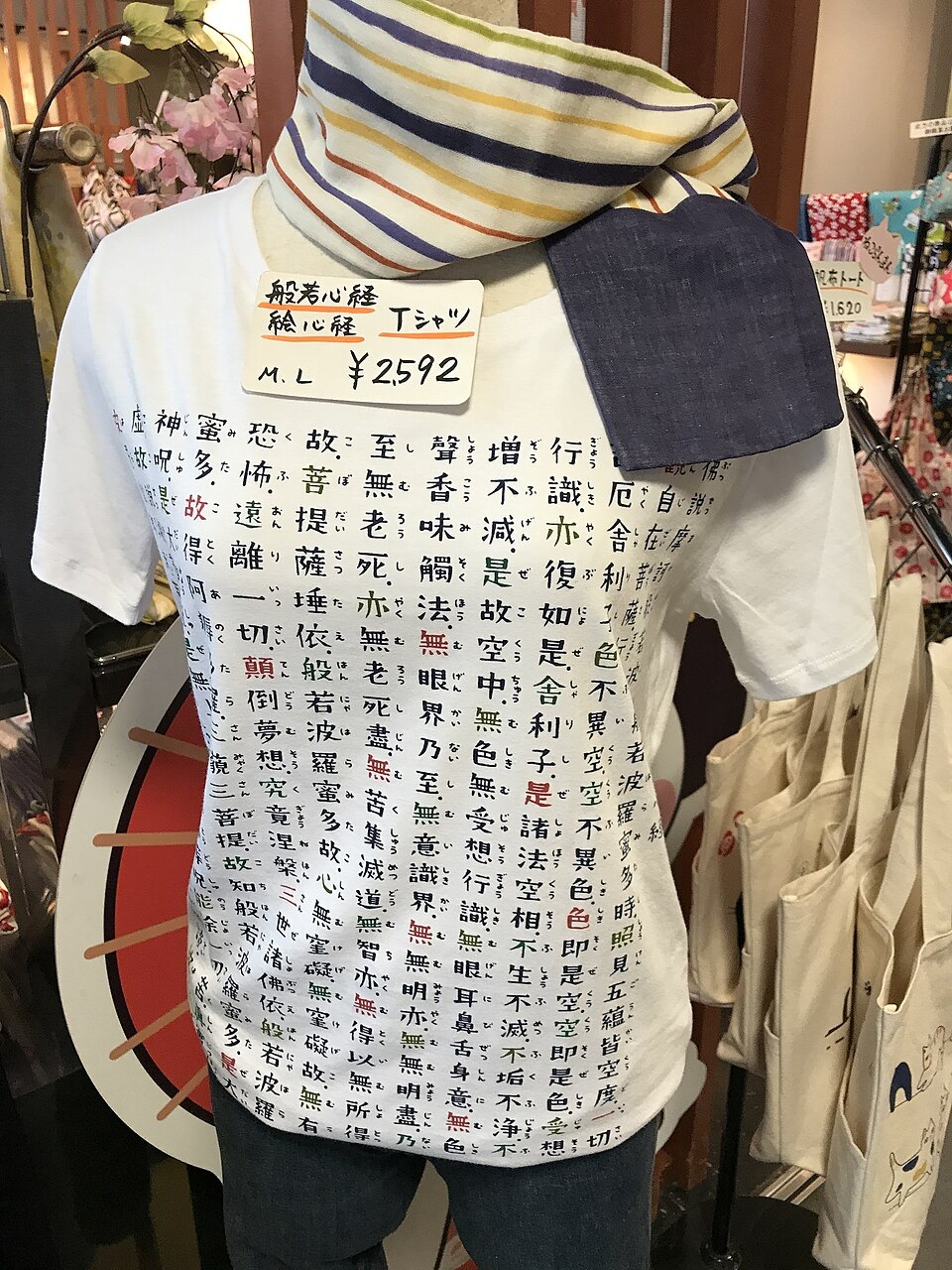
Understand the unfinished edges
A raw-edged tenugui may fray when first used. Kamawanu’s care guidance for its chusen-dyed cloths describes trimming loose crosswise threads, hand-washing in plenty of water and drying away from direct sunlight.
Keep the instructions for the particular cloth you buy: dyeing and finishing methods differ. Separate it for its first wash, and avoid putting a wet cloth in a bag with other clothes. If using it during the trip, allow time to wash and dry it.
A gift is easier to enjoy with one suggested use
Rather than handing it over as an unfamiliar “Japanese towel,” suggest a kitchen use or displaying the design. Include the product and care information so the recipient can start using it.
Kamawanu’s store directory can help you find a shop on your route. You do not need the most famous pattern. The cloth you will reach for repeatedly at home is a better purchase than one chosen only for its souvenir label.
Information checked: October 3, 2026.
Official sources
Photo credits
- 美山荘手拭.jpeg — シン日本紀行, CC0 / 2023年12月22日. Resized only.
- 般若心経 (33130523082).jpg — bangdoll, CC BY-SA 2.0 / 2017-03-06 10:55. Resized only.

.jpg)
Structure and selected guidance updated: October 12, 2026.