Kawagoe Festival 2026: Daytime Floats, Nighttime Music and Getting Back to Tokyo
Kawagoe Festival takes place on October 17 and 18, 2026. Go in daylight for a close look at the floats’ carvings and figures; stay after dark for lanterns and the musical exchanges known as hikkawase. An afternoon arrival followed by a little evening viewing lets you experience both without committing to a full day on your feet.
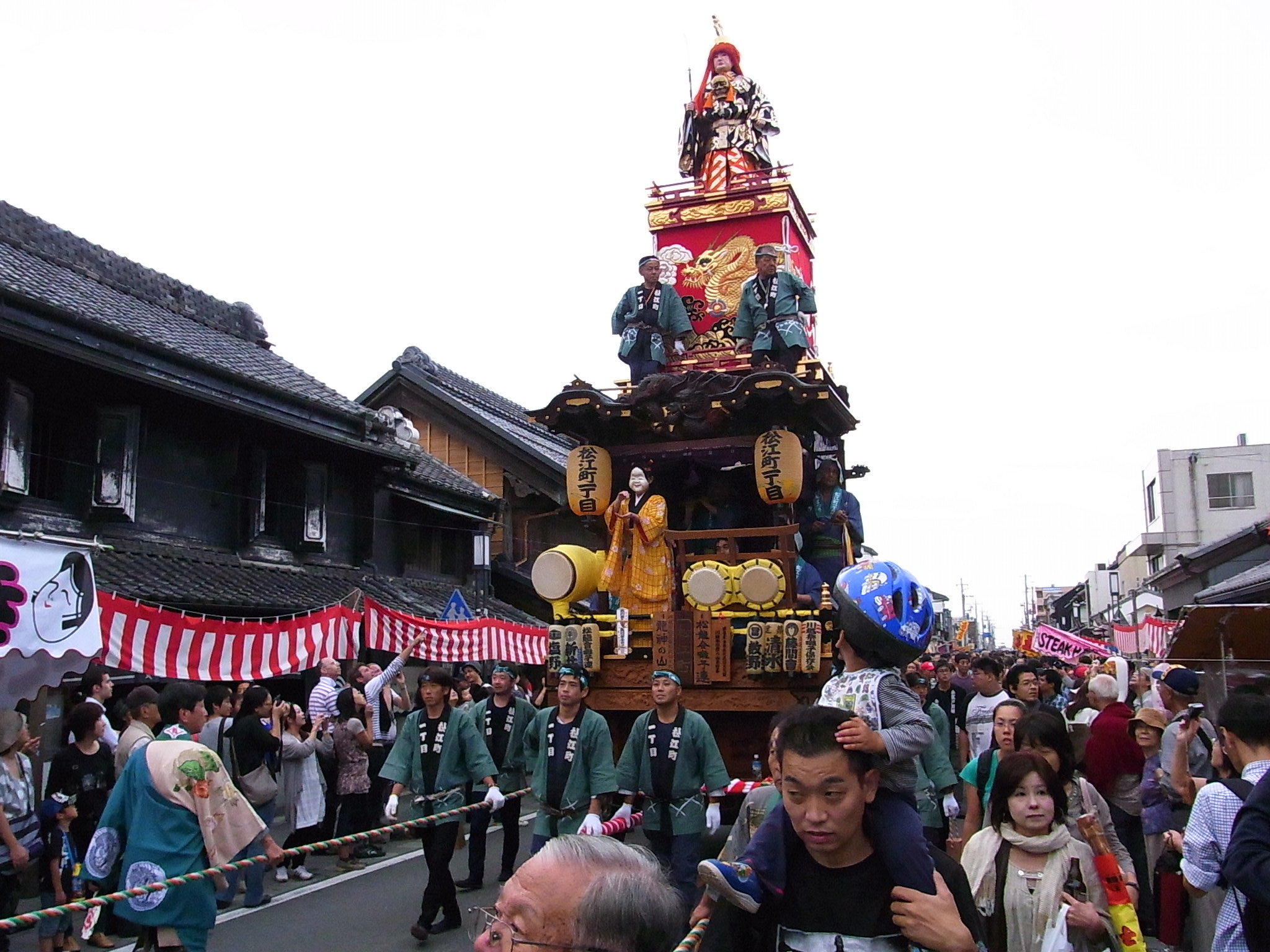
Look up in daylight; listen after dark
The floats are impressive from a distance, but their figures, carved details and fabrics reward a closer look. Daylight is especially useful if photography matters to you, or if you are travelling with children and want an early return.
They do not remain parked together all day. Use the official 2026 festival guide and map to choose a street or float to follow rather than trying to cover the entire festival area.
When floats meet, they face one another for hikkawase, a musical exchange between their performers. At night, raised lanterns and the sound of flutes and drums change the mood of the streets. Leave time to watch the performers as well as the floats.
Choose your station before choosing your last float
- Kawagoe Station: for the Tobu Tojo Line and JR Kawagoe Line.
- Hon-Kawagoe Station: for the Seibu Shinjuku Line.
Plan the whole journey back to your accommodation, including transfers in Tokyo. Arriving at one station and leaving from the other can work, but save the location of your return station before entering the crowds.
Set a time to leave the festival as well as a train to catch. Walking through busy streets and getting through the station both take time. Do not make the last train your only workable option.
Vehicle restrictions apply from 10:00 to 22:00 on both days. These are road-closure hours, not a timetable for every festival event. Regular buses are also rerouted; the official festival guide links to the affected operators’ notices.
Make room for food, toilets and a proper break
If you are staying from afternoon into evening, put a seated break between the two rather than following floats continuously. The official map marks toilets, rest areas and baby-care facilities. Agree on a meeting point that does not depend on where a moving float happens to be.
Organisers ask visitors to keep left and avoid stopping in pedestrian flows. Follow stewards’ directions and do not block the street to take photos. Leave a suitcase at your accommodation or another suitable storage point and bring only what you need for the outing. If you are stopping here on a travel day, our guide to luggage storage when coin lockers are full explains the alternatives.
Outside festival weekend: the Festival Hall
If the dates do not fit your trip, Kawagoe Festival Hall displays real floats and holds musical demonstrations, mainly on Sundays and public holidays. The photograph here shows a performance at the hall, not a street performance during the 2026 festival.
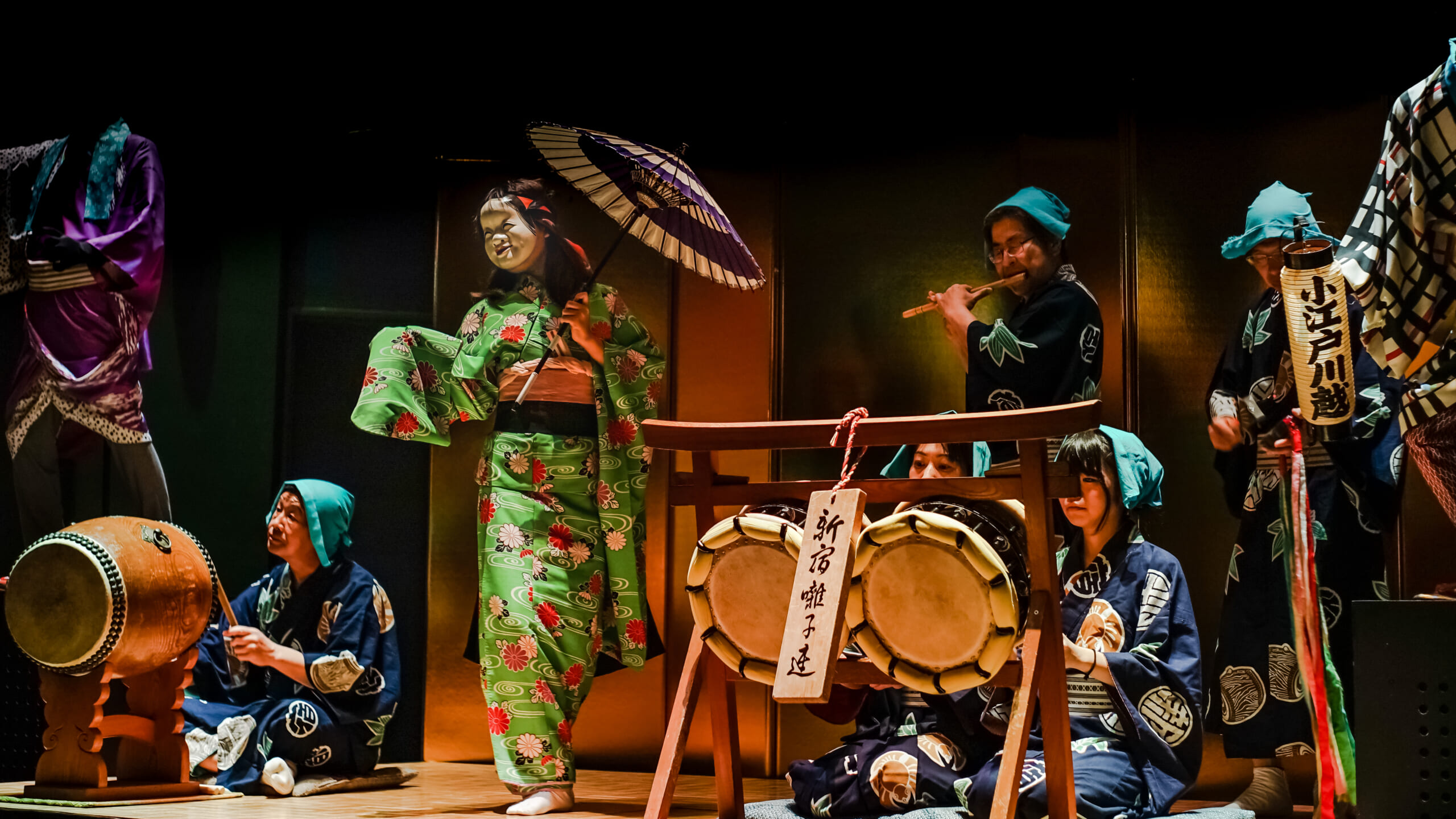
Its regular October–March hours are 9:30–17:30, with last admission at 17:00. Admission is ¥300 for adults and ¥100 for elementary and junior-high school pupils. Regular closures include the second and fourth Wednesdays, moving to the next day when the Wednesday is a public holiday, and the New Year period. Festival-day arrangements differ from the normal schedule: see the city’s facility information alongside the festival notices.
Decide whether you most want float details in daylight or music and lanterns at night. The rest of your visit can then fit around that choice—and your train home.
Official information
Information checked: October 9, 2026.

