Tamba Sasayama black edamame in October: a car-free visit and what to take home
October brings a short opportunity to buy black edamame in Tamba Sasayama: the young pods of soybeans that will later become the black beans served at New Year. The 2026 sales season opened on October 8. Without a car, make the castle town’s shops your starting point rather than planning a circuit of scattered farm stalls.
First decide whether you want to eat them here or take them somewhere with a kitchen. A bag of raw pods is not a ready-to-eat hotel snack.
Why the pods are not necessarily black
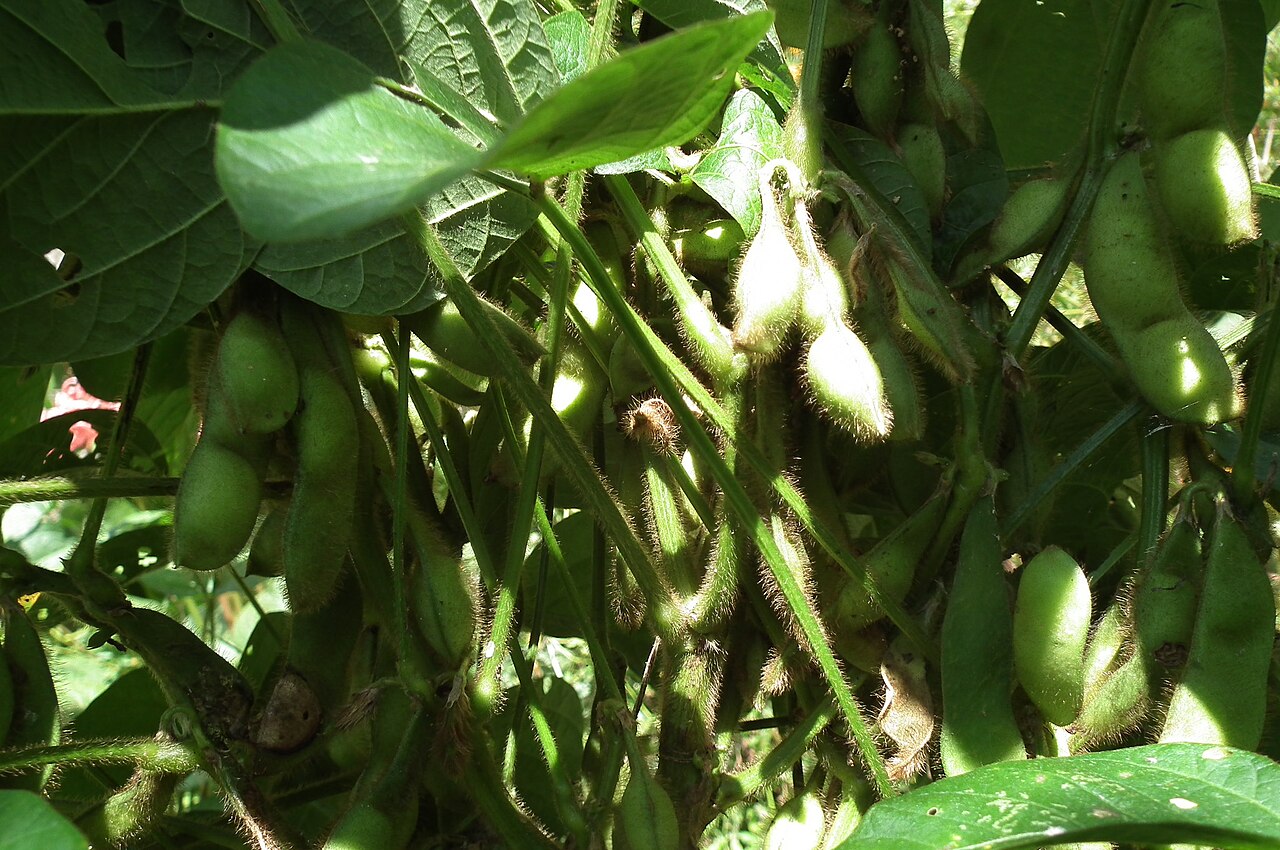
These are harvested before the beans fully mature and dry. Sasayama’s official tourism guide describes a season of roughly 20 days from early October, with colour, sweetness and texture changing as the month progresses.
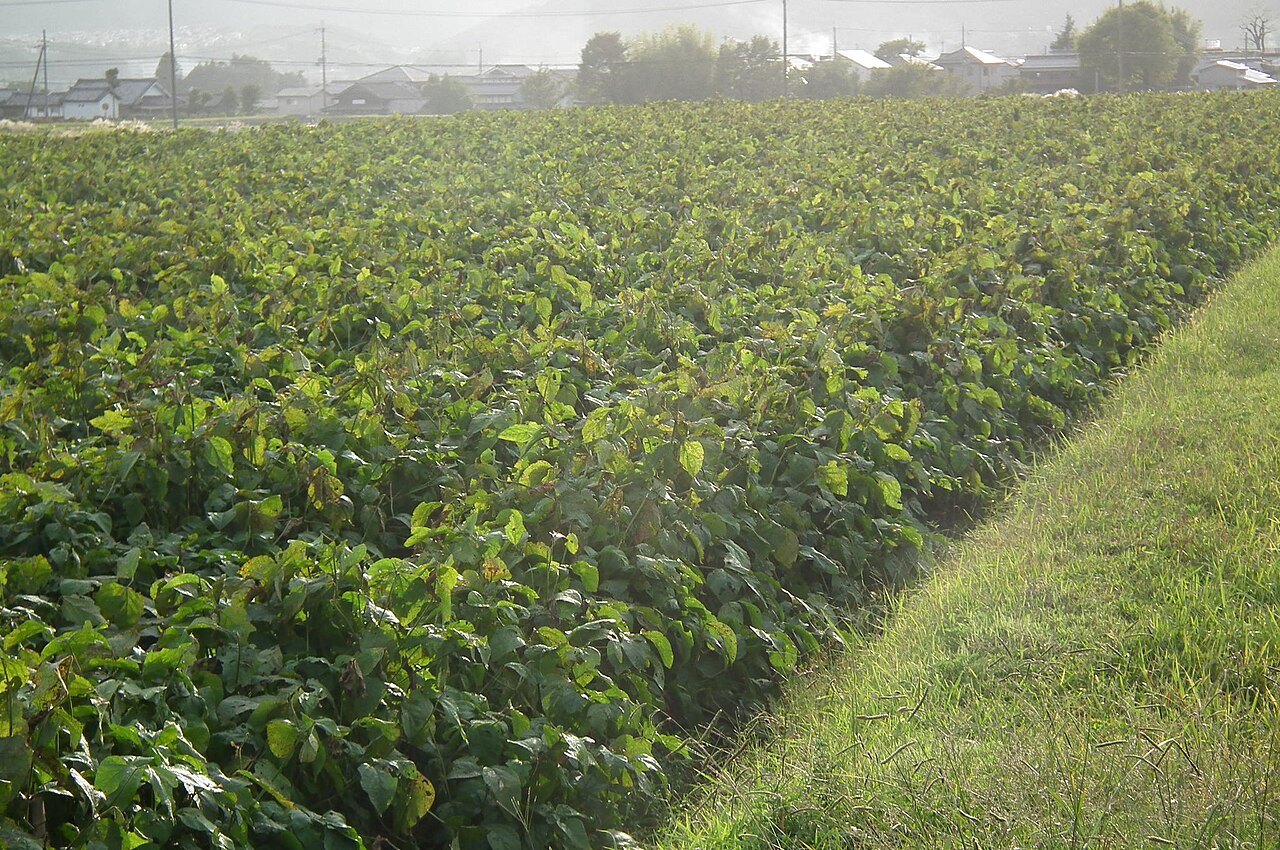
Early pods are green; later ones can become yellowish, with beans turning purple or dark. Rather than rejecting them because they look different from supermarket edamame, ask the seller how to cook that day’s batch. The photographs show actual Tanba-guro plants and pods in Sasayama, the crop behind the seasonal shopping trip.
The train gets you to Sasayamaguchi, not the castle town
Travel by JR from the Osaka direction to Sasayamaguchi Station, then allow for a Wing Shinki bus or other onward transport to the town centre. Find a return connection before starting the shopping.
As checked on October 14, 2026, Shinki’s operating information announces a diversion between Nikaimachi and Johokuguchi on October weekends and public holidays, and November 1, because of the autumn food-festival traffic restrictions. Check the day’s operating notice for boarding and alighting arrangements rather than relying only on a shop’s usual nearest stop.
For a manageable car-free outing, choose one or two shops in the castle town and leave room for the walk back with your purchases. A farm harvest experience needs a separate transport plan matched to that farm’s booking conditions.
A concrete shop to start with
Sasayama Shokuryohin, at 54 Nikaimachi, appears in the official tourism directory and lists locally grown black edamame on its own current site. On October 14, 2026, its online listing showed loose pods in a 500g bag for ¥1,350 including tax, with shipping from around October 14 to the end of the month. That is a price example for the listed product; ask the shop about stock and quantities for an in-person purchase.
Loose pods take up less space than a large bunch on the branches. Choose the quantity you can cook and carry, rather than buying the biggest bundle for its appearance.
To eat edamame during the outing, look for a restaurant’s seasonal menu or a cooked product. Selling raw beans and serving cooked black edamame are different things. Ask whether the restaurant has black edamame before sitting down, and use that day’s menu rather than assuming any named shop serves it daily.
Buy near the end, with a plan for the kitchen
The shop lists its black edamame as a refrigerated product. Buying just before your return journey is easier to manage than carrying it through a long afternoon. Discuss storage and cooling with the seller, and decide where you will cook it, not only whether your hotel has a fridge.
Cooking time changes with the crop’s maturity; keep the seller’s instructions for that batch. Before taking raw beans abroad, check the destination government’s plant-quarantine and customs rules. Eating them during your stay may fit the trip better than transporting refrigerated fresh produce a long distance.
Our local-bus guide explains boarding and payment. Leave time for the last walk and the bus back to the railway station: the bags will be heavier on that part of the day.
Official information
Information checked: October 14, 2026.

