Buying pottery at Mashiko’s autumn fair: choose what you can carry home
Mashiko’s pottery fair makes it easy to want one more plate. Start with how much you can carry home, not how many stalls you can visit. Imagining the meal a piece will hold, and the bag it will go into, helps turn an appealing purchase into something you actually use.
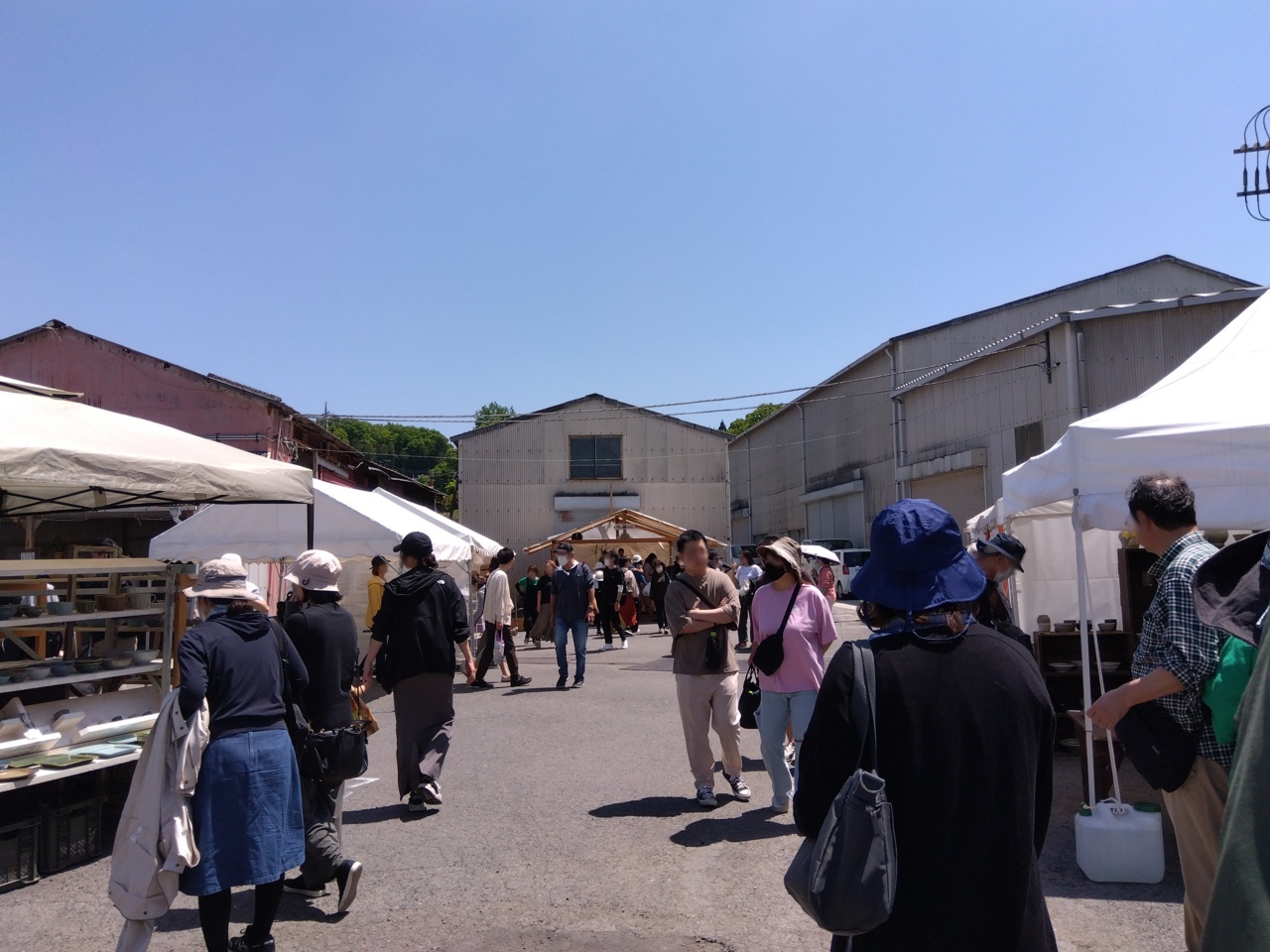
The 2026 autumn fair runs October 31–November 3, 9am–5pm, closing at 4pm on the final day, mainly around Jonaizaka and Sayado. This is a shopping guide for a public-transport visit, rather than an attempt to cover the whole event.
On the first circuit, give each piece a job
When a glaze catches your eye, picture breakfast toast, a bowl of rice or a side dish at home. One useful starting piece can be a better basis for a small collection than several large plates you have to carry all day.
Ask before picking up a piece, then consider its weight, rim, grip and base. Handmade shapes and glaze effects vary; choosing the particular piece is part of the pleasure.
Do not infer microwave, dishwasher or oven suitability from appearance. Tell the maker or seller what you intend to use it for and ask about care before first use. Keep the instructions for that piece rather than treating all Japanese pottery alike.
Add up the weight as well as the price
Small packages from several stalls become one heavy bag by the end. An allowance such as two everyday plates and a cup can help you shop within your own carrying capacity. This is a personal planning example, not an event baggage limit.
Leave room in a backpack for the pottery instead of forcing it between drinks and clothes. After a larger purchase, stop and reorganize before visiting more stalls. If a piece is too bulky, ask about shipping, cost and the destination before paying. Domestic delivery and overseas shipping are not services every stall offers.
Discuss wrapping before the transaction
- Explain the journey: mention the bus, trains and any later flight when asking about protection.
- Keep pieces apart: preserve the shop’s wrapping so rims and handles do not knock against other purchases.
- Keep the seller’s details: save a card or purchase record with the care information.
A strong bag is useful, but squeezing more wrapped pottery into it can still make the load awkward. See how the purchase fits before deciding on another piece.
The 2026 extra bus leaves Tokyo Station, not Akihabara
Arrange the return before shopping. Ibaraki Kotsu’s additional Kanto Yakimono Liner on October 31–November 3 uses Tokyo Station and requires a reservation. It is different from the regular Akihabara service.
The additional outbound bus is listed at 7am from Tokyo Station’s Yaesu South Exit. The return leaves Mashiko Station at 3pm and the Mashiko Museum of Ceramic Art entrance at 3:03pm. The adult fare is ¥3,000 each way, paid by credit card through Kousokubus.net. Toukiichi Kaijo Iriguchi and Jonaizaka-shita are outbound alighting-only stops; return boarding is at Mashiko Station or the museum entrance. Do not wait for the return bus where you got off. Save the operator’s stop map and extra-service notice.
A 3pm return means leaving the fair before its closing time. Subtract the last transaction, wrapping and the walk to the stop with your bags. For a regular bus instead, use the regular-service page to check its departure point, fare and boarding conditions separately.
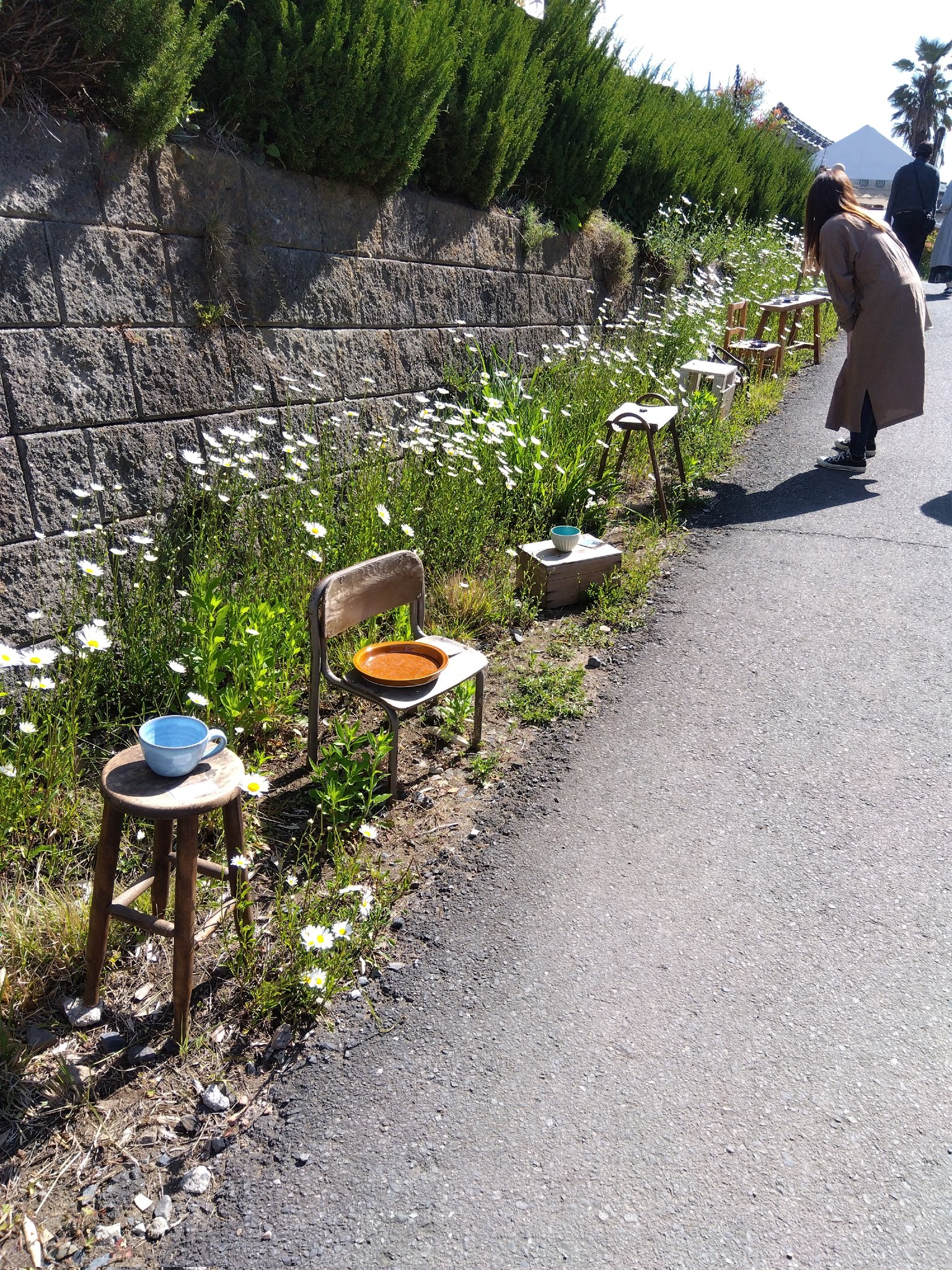
The photographs show earlier spring fairs. Choose stalls for autumn 2026 from the organizer’s current exhibitor information and map. For the wider choices of materials and use, see our guide to choosing tableware in Arita. Leaving a little space in your bag makes the last few stalls easier to enjoy.
Official information
Information checked: October 14, 2026.
- Mashiko Pottery Fair: autumn 2026 dates and venue
- Mashiko fair: exhibitor and map updates
- Ibaraki Kotsu: autumn 2026 reserved extra bus
- Ibaraki Kotsu: regular bus service
Photo credits
- FukuroWaraw · CC BY-SA 4.0 · 2024-05-03 · License
- FukuroWaraw · CC BY-SA 4.0 · 2023-05-04 · License

春の益子陶器市「路地裏テント」名物「椅子上の器」.jpg)