Buying hiyaoroshi in Japan: autumn sake labels, storage and the trip home
A label reading hiyaoroshi is an invitation to try an autumn sake. Before choosing the most appealing bottle, look at its storage instructions and size. Something to drink tonight and something to carry through another week of travel are two different purchases.
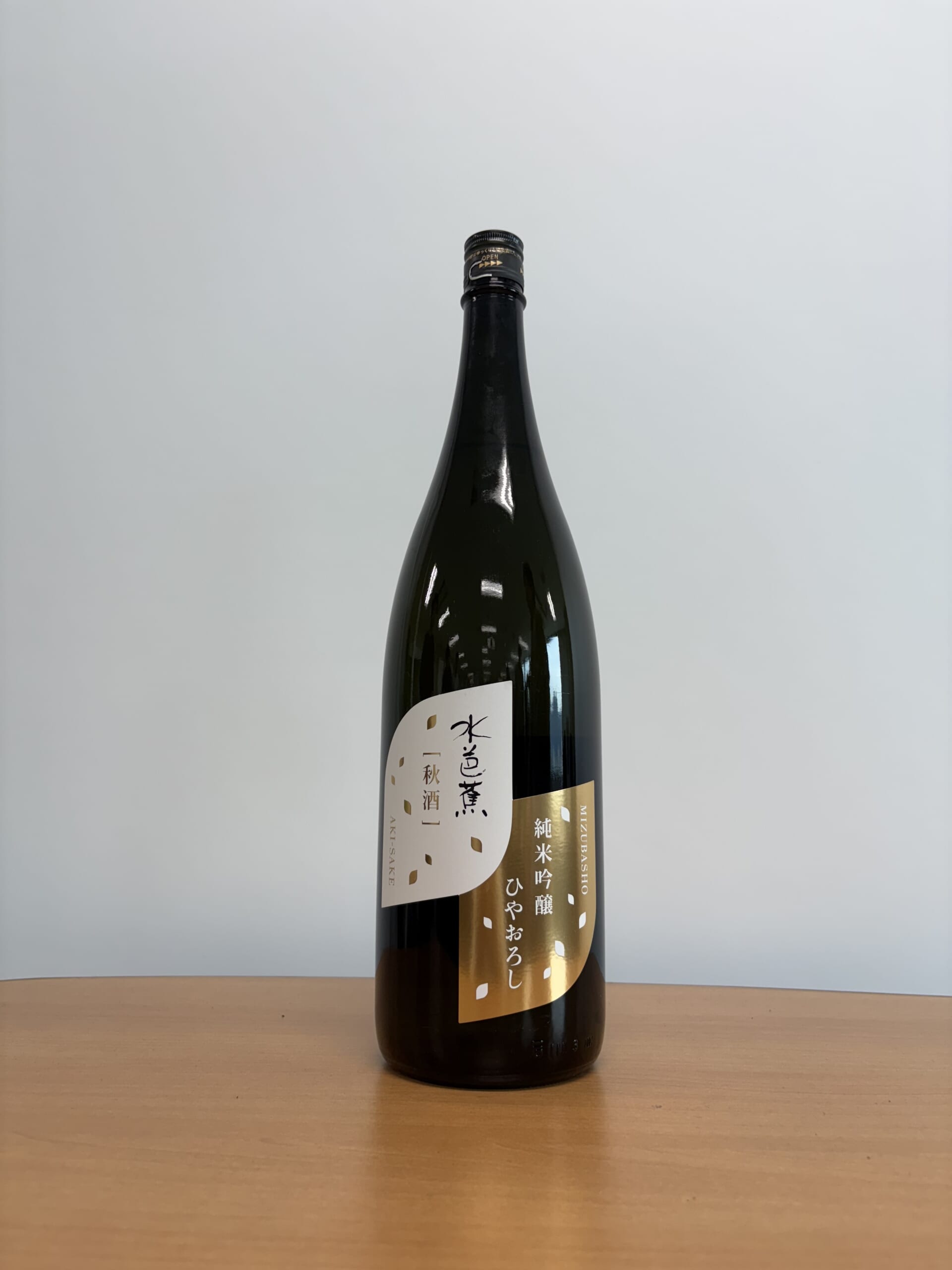
The name does not tell you to drink it chilled
Hiyaoroshi traditionally describes sake made in winter or spring, pasteurized before storage, matured through summer and released in autumn without the usual second heating before shipment. The name refers to that release, not a serving-temperature instruction.
It is also distinct from namazake, sake that has not been pasteurized at all. Aumont Brewery makes this distinction in its explanation of the two. Do not treat every label containing the character 生 as the same style; use the actual storage instructions on the bottle.
Shichiken, for example, recommends its hiyaoroshi chilled, at room temperature or warmed. That is advice for that particular product. At a shop, saying you want something for dinner, or something you intend to drink cold, is more useful than assuming every autumn sake should be served alike.
Read the label in this order
- Storage: 要冷蔵 means refrigeration is required. Plan how you will keep the bottle cold on the way to your accommodation and during later journeys. Ask the shop if the instruction is not clear.
- Volume: match the bottle to the people drinking it and the weight you want to carry. A large bottle is not a saving if it does not fit your trip.
- Alcohol content: useful both when choosing a drink and when checking airline carriage rules.
- Name and style: junmai or ginjo can start a conversation; add the aromas you like and what you plan to eat.
Hiyaoroshi alone does not specify sweetness, price or storage. If the Japanese label is hard to read, ask someone in the shop to point out the storage line and keep a photograph of it for later.
Make the purchase near the end of the outing
Japan’s National Research Institute of Brewing identifies temperature, light and oxygen as factors that damage sake, and recommends following the maker’s storage temperature. An autumn day is no reason to leave a bottle in sunlight or a warm vehicle.
For a bottle requiring refrigeration, arrange to get it into a fridge after purchase rather than depending on an insulated bag through a long sightseeing day. Check that it will fit the accommodation’s fridge and that you can keep it cold at the next stop. If that does not fit the itinerary, ask the shop about a product with different storage requirements, or buy later in the trip.
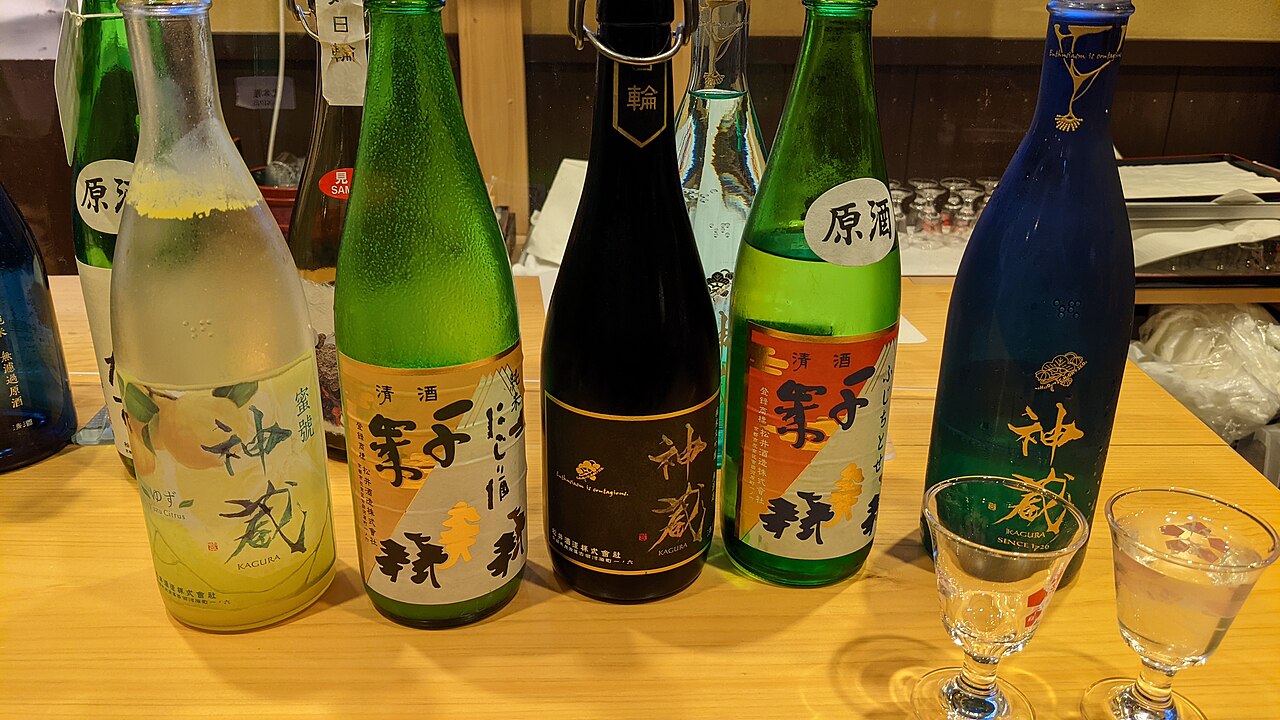
The photograph shows a selection of Matsui Brewery bottles taken in 2021, including styles other than hiyaoroshi. It illustrates different labels, not a set currently offered for sale. Ask the shop about smaller volumes if you want to buy a modest amount.
For the flight home, alcohol rules are only one check
International cabin baggage has liquid restrictions separate from the dangerous-goods rules for alcohol. JAL’s guidance sets conditions including containers of no more than 100ml for ordinary liquids. Do not plan to take a large bottle bought in town straight through security in your cabin bag. Airport duty-free purchases and connections have their own conditions; use your airline’s and airports’ guidance.
If checking the bottle, ask the shop about protective wrapping, keep bottles from knocking together and separate them from other belongings in case of leakage. The airline’s baggage conditions and the destination country’s alcohol import and customs allowances are separate checks. Establish both before buying several bottles.
For choosing sake at the source, see our ordinary-day brewery walk in Saijo. Do not drive after drinking; Japan’s drinking age is 20. On a long itinerary, noting a favourite label and buying it near the end can be the more enjoyable way to shop.
Official information
Information checked: October 14, 2026.
- Japan Sake and Shochu Makers Association: hiyaoroshi
- Aumont Brewery: the difference from namazake
- Shichiken: serving temperatures for its product
- National Research Institute of Brewing: preservation
- JAL: international baggage restrictions
Photo credits
- Kozakura154 · CC BY 4.0 · 2024-10-31 · License
- Nisiguti · CC BY-SA 4.0 · 2021-11-22 · License

