Buying matcha in Japan — choose for a bowl of tea, a latte or baking
Will you whisk it in a bowl, make a morning latte or bake with it? Answering that question gives you a better starting point at a tea shop than asking for the most expensive tin. Tell the seller how you want to use the matcha.
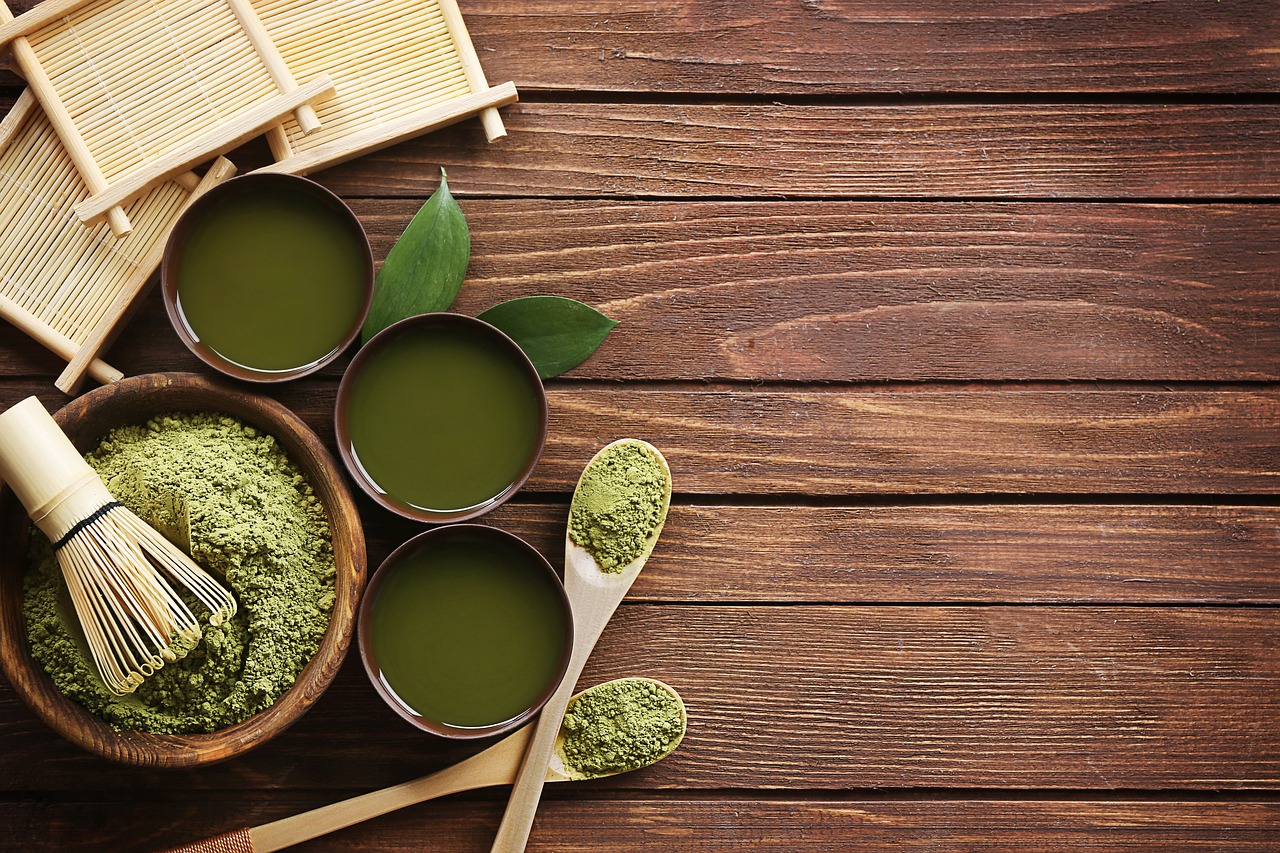
Plain matcha and latte powders containing sugar or milk ingredients are different products. A green packet with MATCHA across the front does not tell you which is inside.
Start with the drink—or the recipe
For drinking with water, ask for a matcha intended for that preparation. For a latte, mention the milk or plant-based drink you use. For sweets, explain whether you plan to bake it or use it in a chilled dessert.
“The best matcha” says little about your taste or how much you'll use. A small pack can suit a first purchase; separate unopened packs may make more sense for gifts. A lower price per gram in a large bag is less useful if you won't finish it after opening.
Tastings, stock and purchase limits depend on the shop and day. Leaving your entire plan to one popular product at one shop just before departure makes it harder to consider a suitable alternative.
Don't shop by “ceremonial grade” alone
The wording appears on packs sold overseas. Ippodo, however, says it doesn't use the term and describes it as language invented to market matcha abroad. A tin in a Japanese shop is not inferior simply because those words are missing.
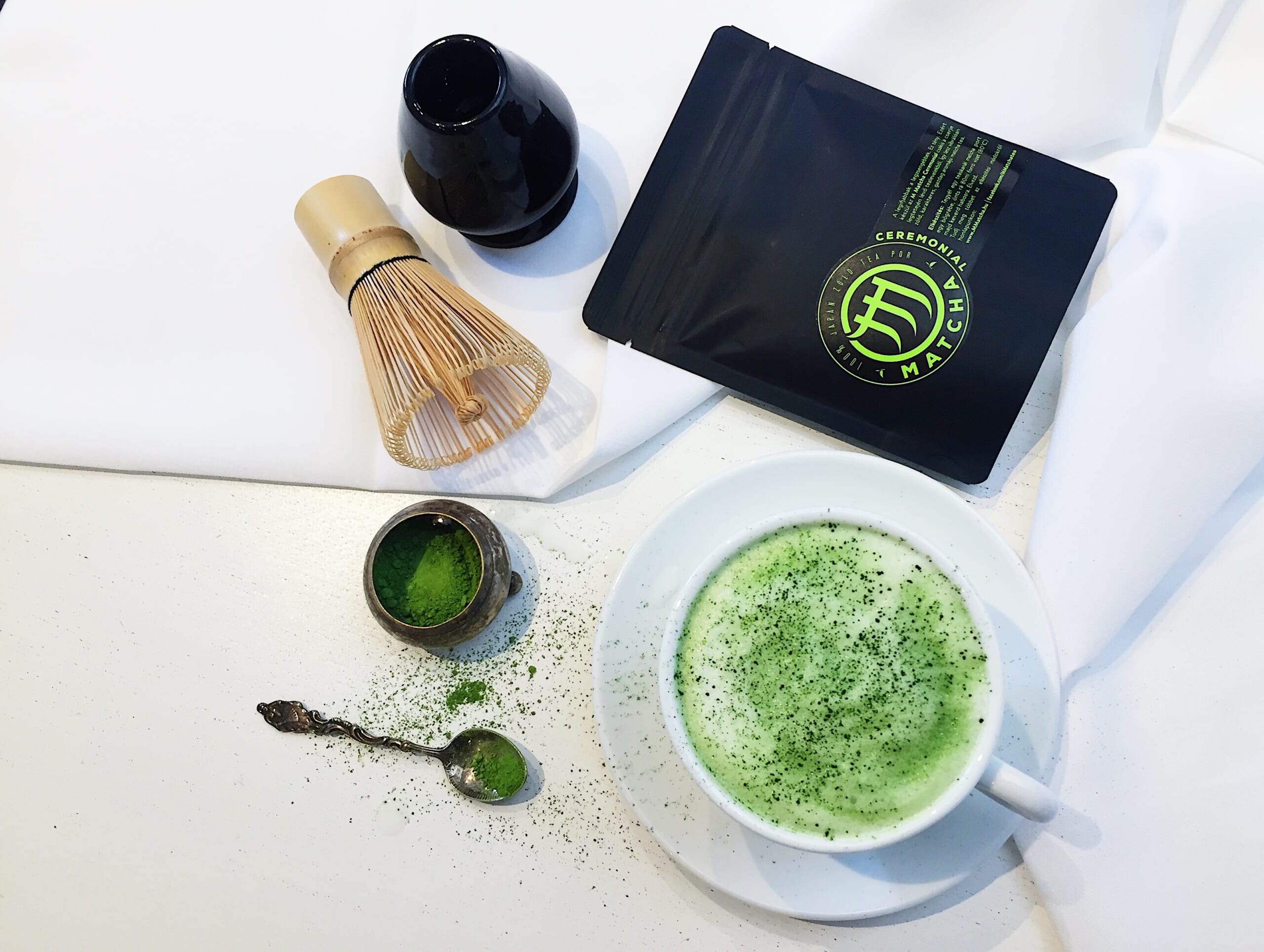
Look instead at the preparation the seller recommends. Even if you cannot read the product names, “I want to whisk it with water” or “I'm looking for something without sugar” gives the shop a useful brief.
Turn a latte packet over
Some powders include sugar and creaming ingredients. They can be convenient for a sweet drink, but they are a different purchase from plain tea—particularly for someone avoiding dairy or wanting an unsweetened drink.
For example, the manufacturer's label document for MUJI's Uji Matcha Latte lists sugar, creaming powder and matcha among its ingredients. That is one formulated product, not the ingredients of every tea from the brand or every matcha latte.
For food allergies, use the actual package and manufacturer's guidance. Keep ingredient and storage information with a gift rather than assuming a matcha-flavoured product contains only tea.
Choose a pack you'll finish after opening
Follow the purchased product's storage directions and avoid leaving it in sunlight or a warm place while travelling. If refrigeration is required, discuss whether your itinerary can accommodate it. Different products should not all be treated as having identical storage needs.
A small tin to open after returning may be easier to manage than a large bag carried through the rest of the trip. You can decide whether to add a whisk or bowl once you know how you'll drink the tea at home.
To taste tea before shopping, consider a half-day in Uji. Keeping time for drinking and buying separately lets your preferences guide the souvenir.
Information checked October 16, 2026: Ippodo on ceremonial-grade terminology, matcha range, and MUJI's example label. Use the purchased packet's label for that product; availability and prices come from the seller.
Photo credits
- dungthuyvunguyen · CC0 1.0 · 2017-07-06 · Unedited; resized by WordPress
- SzokeAdrienn · CC BY-SA 4.0 · 2018-07-17 · Unedited; resized by WordPress

