Food Allergies in Japan: An English Menu Is Not Enough
A dish that appears to contain no buckwheat may come from a kitchen that handles soba. Vegetable dishes can contain fish or seafood stock. If you have a food allergy, do not judge safety from a dish’s name, appearance or English menu alone. Allergy information for restaurant meals and prepared takeaway food is handled differently from the labelling of prepackaged processed food.
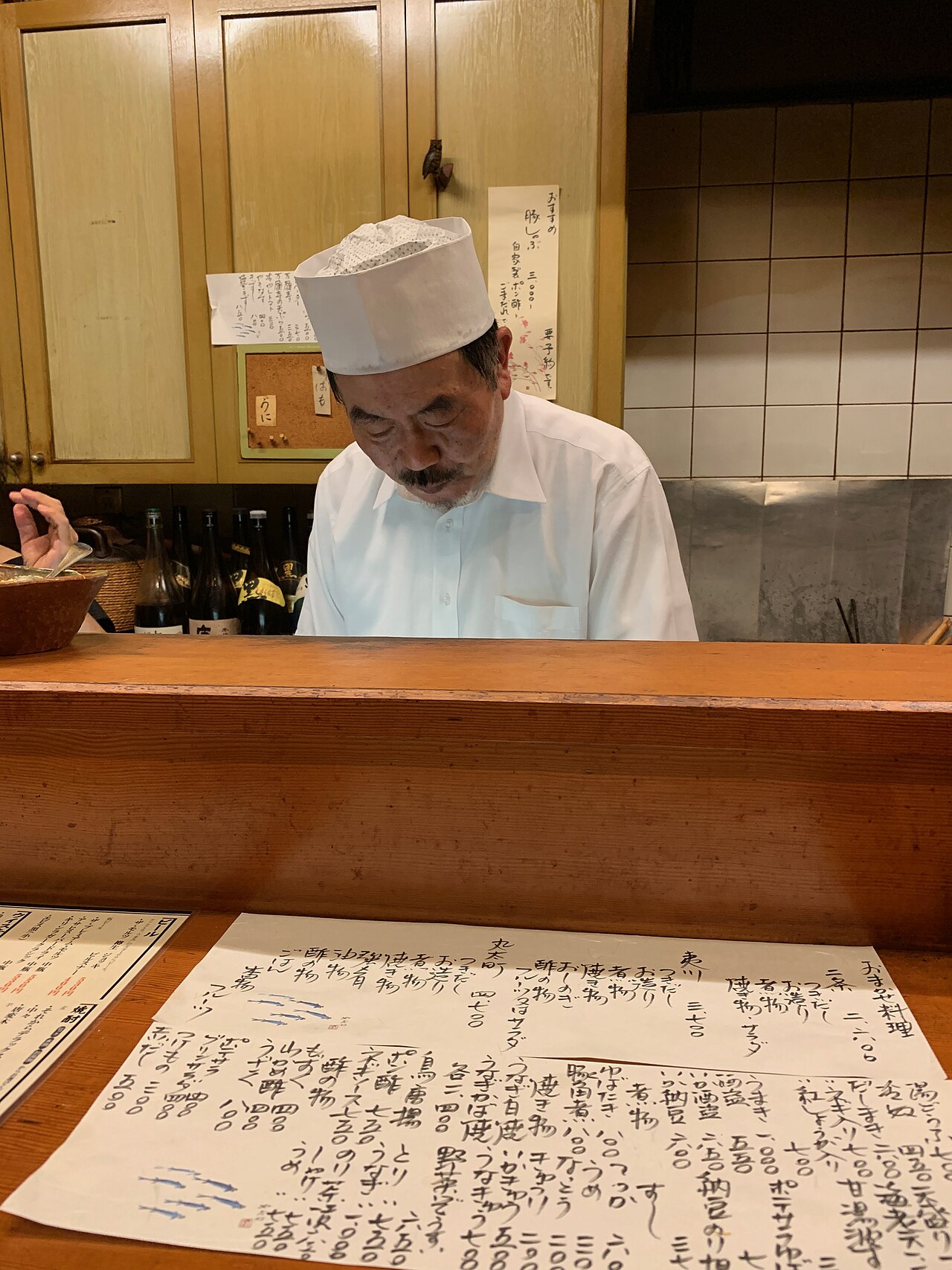
Ask about stock, sauces and the kitchen as well as ingredients
Explain the allergen and ask separately whether it is used in the ingredients, in stock or sauces, and whether shared utensils or oil could introduce it unintentionally. The last point also matters for severe allergies. If staff say they do not know or that food is prepared in a shared kitchen, you can use that information to decide to eat elsewhere.
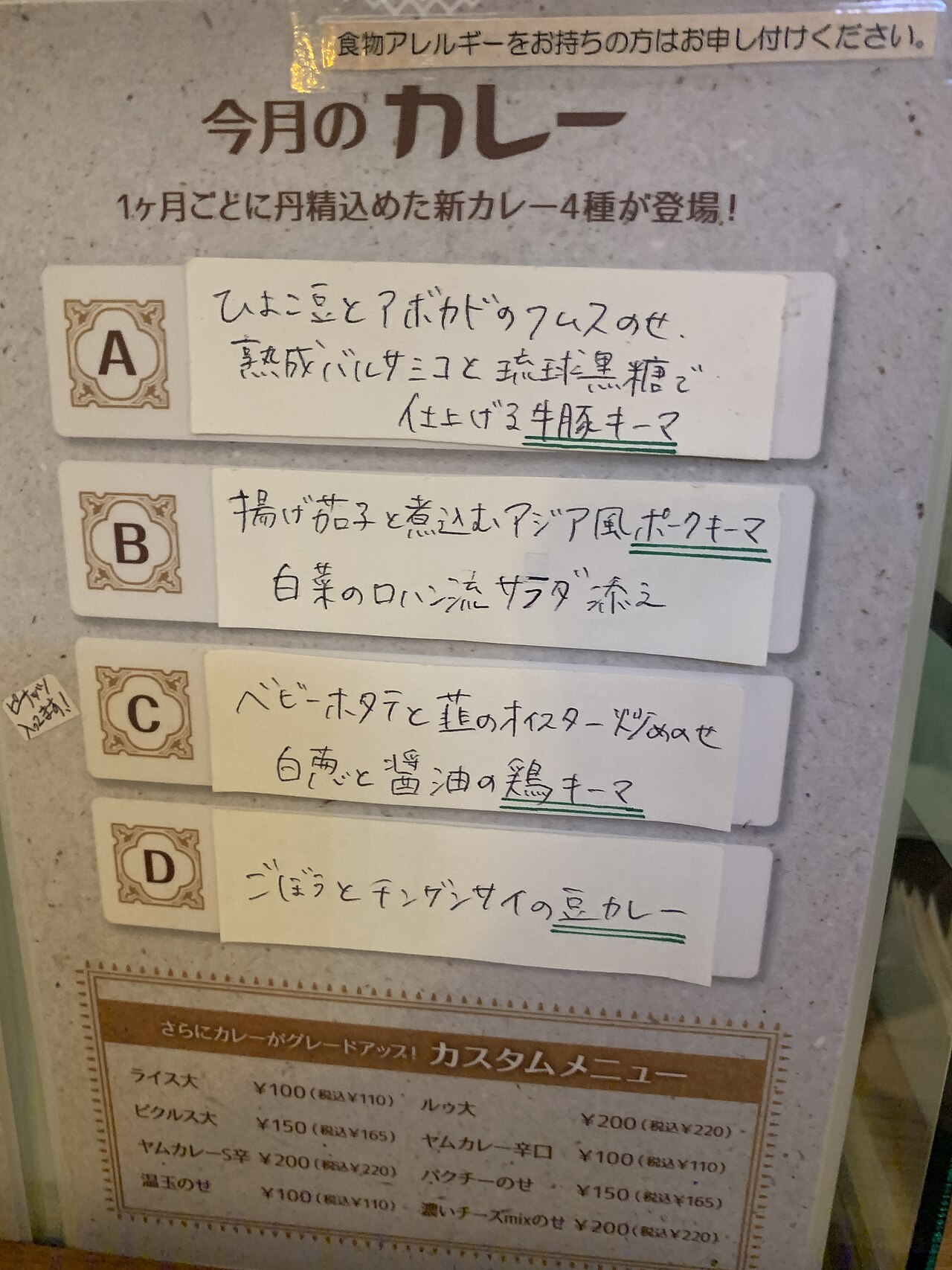
Tell restaurants before a reserved visit
A small restaurant or set-course meal may not be able to make major ingredient changes after you arrive. Where the booking form allows it, state the allergen and precisely what you need to avoid, and resolve questions before visiting. Finding out early that a restaurant cannot accommodate you leaves time to choose another. See our restaurant reservation guide too.
Use a Japanese allergy card to start the conversation
A card on paper or your phone makes your allergens easier to communicate than speaking alone. Japan’s Consumer Affairs Agency publishes a food-allergy communication sheet. Show the card and discuss ingredients and shared equipment with the restaurant. For severe allergies, do not rely on automatic translation alone: organise the ingredients and cross-contact risks you need to avoid before travelling. If prescribed emergency medication, follow your doctor’s instructions on carrying it.
The Consumer Affairs Agency provides an English food-allergy communication sheet (PDF) on its Food Labelling page. Save it before travelling so you can show it even when mobile reception is poor. It helps begin the conversation; a completed sheet does not establish that a restaurant can avoid your allergens or shared-equipment risks.
Read the Japanese labels on packaged food
Prepackaged processed foods at convenience stores and supermarkets have ingredient and allergy labels. Do not make a translation app your only basis for a safety decision. Check the manufacturer’s official information where needed, and avoid products you cannot identify confidently. Cashews were added to Japan’s mandatory allergen labelling list in April 2026. The current list is available from the Consumer Affairs Agency.
Save a few restaurants in each destination whose accommodation policies you have checked beforehand. You then avoid starting from scratch on a tiring evening. Leave enough room in the itinerary to choose food you have checked, rather than assuming a particular dish will be safe.
Information checked: September 29, 2026. Sources: Consumer Affairs Agency guidance on food allergies in restaurant and takeaway meals, allergen labelling and Food Labelling. This is general travel-planning information, not a substitute for individual medical advice.
Photography: Maarten Heerlien / Wikimedia Commons (CC BY 2.0), and nakashi / Wikimedia Commons (CC BY-SA 2.0). The kitchen photograph illustrates the setting, not that restaurant’s allergy arrangements.
.jpg)
.jpg)