Is the Tokyo Subway Ticket Worth It? Choosing a 24-, 48- or 72-Hour Pass
When you arrive in Tokyo, you may wonder whether to use an IC card such as Suica or buy an unlimited subway pass.
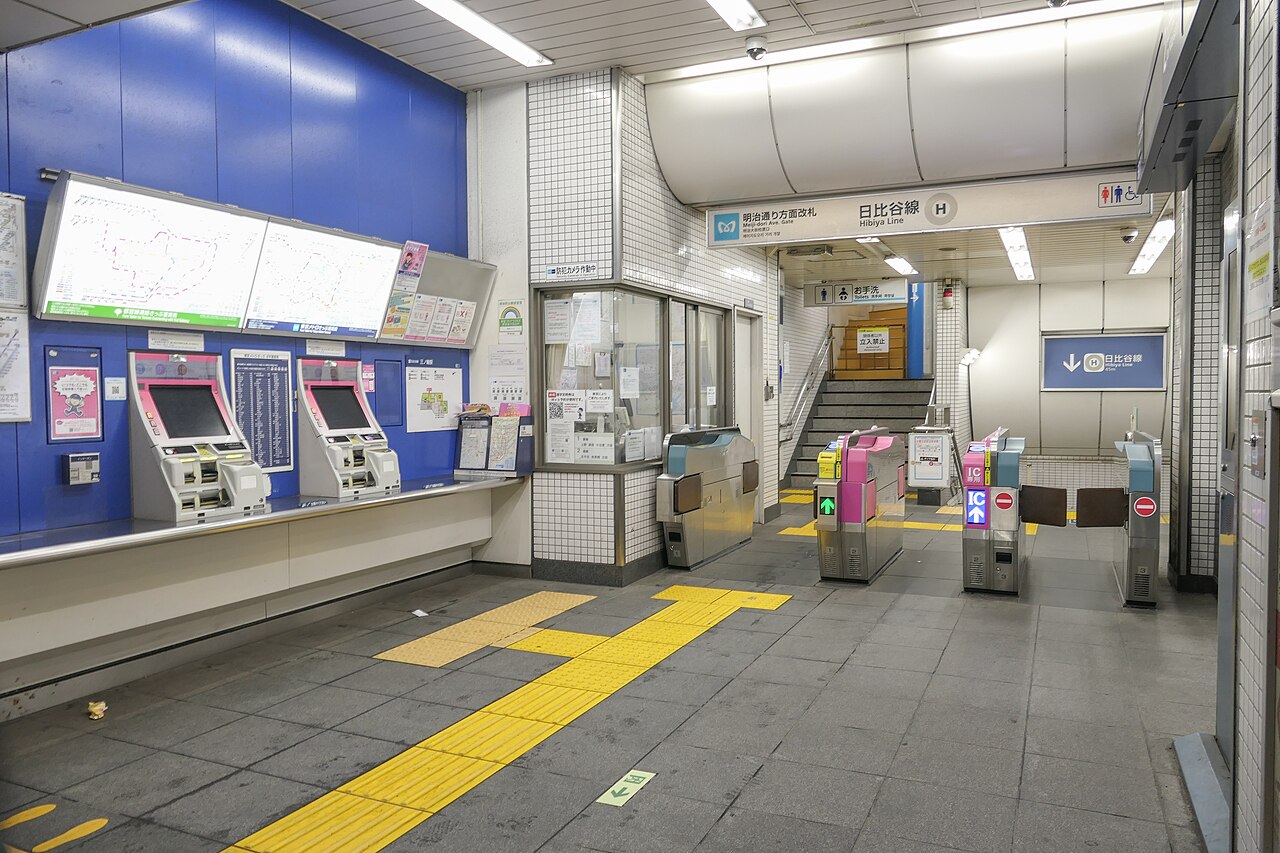
A ticket aimed at visitors can feel like something you should buy in advance.
But Tokyo journeys often use both JR trains and the subway. An unlimited subway pass will not suit every itinerary.
Before comparing prices, ask whether the places you want to visit that day are easy to reach by subway.
The Tokyo Subway Ticket does not cover JR
The Tokyo Subway Ticket covers all Tokyo Metro and Toei Subway lines.
As of September 2026, adult tickets cost ¥1,000 for 24 hours, ¥1,500 for 48 hours and ¥2,000 for 72 hours.
JR is the easy mistake to make. The Yamanote and Chuo lines are not included.
If you plan to travel mainly by JR between Shinjuku, Harajuku and Shibuya, for example, the pass may see little use.
Where and how you can buy it depends on visitor eligibility and sales conditions. Check the official purchasing instructions for airport counters, travel packages and other options that fit your trip. It is not sold at every JR or private railway station.
It runs from first use, rather than by calendar day
The useful detail is that validity lasts 24, 48 or 72 hours from first use, rather than ending on a particular date.
Start a 24-hour ticket at 3 p.m. and it remains valid until 3 p.m. the next day. If you enter before it expires, you can finish the journey even if the validity period ends while you are aboard. Continuing onto another operator’s line requires a separate fare for that section.
You could start using it on your arrival afternoon and keep using it the following morning.
There is no need to start first thing in the morning to get its full duration.
It works best for a day of frequent subway trips
The official site gives these rough break-even guides: six or more rides within 24 hours for the 24-hour ticket, five or more rides per 24 hours for the 48-hour ticket, and four or more per 24 hours for the 72-hour ticket. Individual fares vary by route, so compare the total for your actual destinations.
The calculation changes if you will also use JR or private railways several times.
A day of short subway trips between places such as Asakusa, Ueno, Ginza, Roppongi and Shinjuku can be a good fit.
For a day at Disney or in Kamakura, with few subway journeys, there is no need to buy one just because it is available.
Compare the same itinerary both ways
- Add the ordinary fares for Tokyo Metro and Toei Subway journeys within the pass’s validity period.
- List JR and other uncovered journeys separately; they still need payment when you hold this pass.
- Compare covered fares + uncovered fares with pass price + uncovered fares.
If you keep the same route, the uncovered fares appear on both sides. The pass saves money only when the fares it replaces exceed its price. For a 48- or 72-hour ticket, use the covered journeys across the whole validity period, not just one busy day.
Unsure? Start with an IC card
If your itinerary is still taking shape, an IC card lets you start travelling without committing to a pass.
Use an IC card first. If you find yourself riding the subway more than expected, you can choose an unlimited pass from the next day.
Taking a longer route to avoid an uncovered line is a poor trade for saving a few hundred yen.
Think about whether the ticket makes that day’s travel easier, as well as whether it costs less.
Choose the pass for a day when you will use its covered lines, rather than rearranging your day around the ticket.
Also read how Suica, PASMO and ICOCA work and finding your way through Tokyo and Shinjuku stations.
Official information before you go
Information last checked and edited: September 30, 2026. Prices, services and opening hours may change. Follow official guidance for your travel date and local signs.
Photo credits
Ticket machines and gates at Minowa Station: MaedaAkihiko / Photo source / CC0. April 3, 2024 photographed. Resized for display only.

Structure and selected guidance updated: October 10, 2026.