Where to See Autumn Leaves in Japan: Start with Your Travel Dates
A Kyoto photograph is not a calendar for autumn across Japan. The season advances differently by region and elevation. Start with your travel dates, then choose places that suit that part of autumn. This is more useful than adding a distant destination just because its foliage is famous.
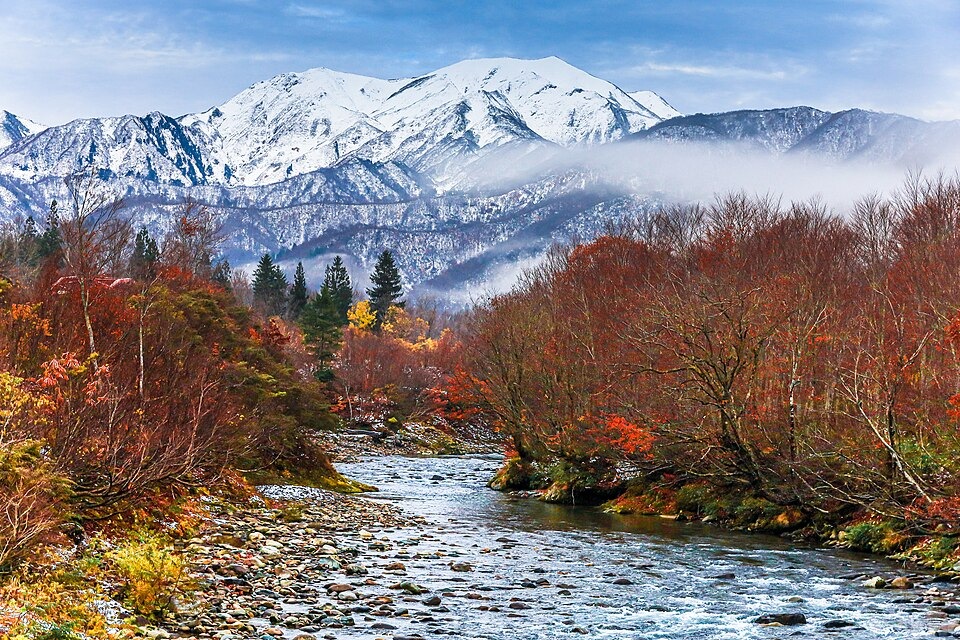
Mountain autumn and city autumn are different trips
| Region and elevation | Typical planning window | How to choose |
|---|---|---|
| Hokkaido and high mountains | September–October; Daisetsuzan’s high ground starts early. | Look at warmth, access and the operating season first. |
| Tohoku | High ground in September–October, lower places later. | Do not assume mountains and towns peak in the same week. |
| Tokyo area | Mountains earlier; city gardens in November–early December. | A city garden can fit alongside food or shopping. |
| Kansai | Kyoto’s city season typically starts around mid-November; mountains are earlier. | Separate the city and higher-ground options. |
| Warmer western Japan | Mainly November options, shifted by altitude and location. | Narrow the choice using current local reports near your travel date. |
- North and high ground: early autumn
- Tohoku and mountain areas: mid-autumn
- South and cities: late autumn
This is a typical regional planning guide based on JNTO’s seasonal information, not a forecast for this year. Choose the actual visit using the destination’s current reports.
JNTO’s autumn guidance describes colour advancing through northern and higher-elevation areas first. An early-autumn mountain visit and a late-autumn Tokyo garden should not be treated as one interchangeable season.
For mountains, consider transport and cold weather alongside the view. Work out how to reach the area and finish the return journey. A scene with snow above colourful trees calls for a different clothing plan from an urban garden walk.
For a more specific destination, compare Naruko Gorge’s viewpoints and trails in Tohoku with Hakone’s different foliage areas for a detour from Tokyo. The individual guides explain the walking options and transport planning.
For two concrete mountain options, consider Asahidake in Hokkaido, reached by ropeway towards Sugatami, using the operator’s access and operating information to plan the approach from Asahikawa and the return. In Aomori, Hakkoda pairs a ropeway with mountain walking; JNTO’s ropeway and marshlands route describes that option. Both need mountain clothing and weather planning, unlike a city garden.
A city garden can fit around the rest of your day
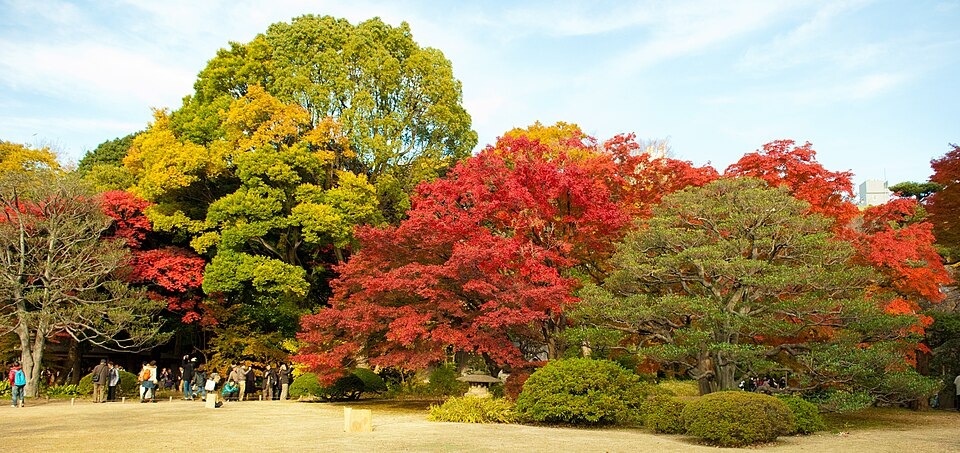
Tokyo gardens such as Rikugien can be combined with food and other city plans. Their official websites publish local foliage updates and seasonal event information. Use this year’s reports rather than treating last year’s photographs as a description of your visit date.
If you want an evening illumination, check its date and ticket arrangements separately from ordinary daytime entry. A daytime garden walk followed by dinner elsewhere may suit your trip just as well.
Keep two nearby options and decide the order later
Choose alternatives that do not require crossing the country. Use local colour reports and weather to decide which day to spend outdoors. Heavy rain can become a museum day, with the garden moved to the following morning.
Choose a place you would enjoy for its townscape, food, museums or hot springs too. For a first visit, add one seasonal detour to a 7-, 10- or 14-day itinerary rather than making the entire journey depend on leaves.
Practical visitor information checked: 5 October 2026.
Information checked: October 3, 2026.
Official sources
Photo credits
- Find47 Niigata-Snowy mountains and autumn leaves (Ginzandaira, Uonuma City)-m.jpg — Koichi_Hayakawa, CC BY 4.0 / 2020-11-06 07:32:06. Resized only.
- Rikugi-en Gardens, Tokyo; November 2012 (12).jpg — kylehase, CC BY 2.0 / Taken on 25 November 2012, 14:36:12. Resized only.
-m.jpg)
.jpg)