Local, Rapid or Limited Express? Reading Train Types in Japan
A platform may list local, rapid and limited express departures side by side. They do not all have identical ticket requirements. First check that the train stops where you need to get off; then check what ticket it requires.
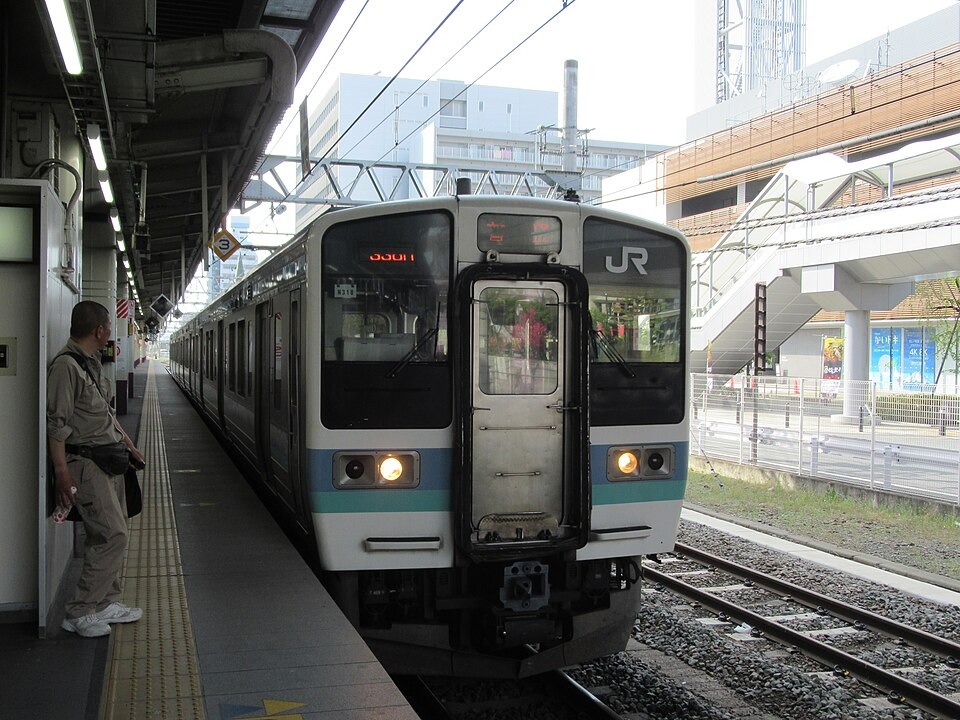
| JR service | Stops | Basic fare | Extra ticket and seating |
|---|---|---|---|
| Local — 普通 (futsū) / 各駅停車 (kakueki teisha) | Read the destination and operating section. | Basic-fare ticket or IC card within its valid area. | Standard ordinary cars use the basic fare; Green Cars and other special accommodation are separate. |
| Rapid — 快速 (kaisoku) | Skips some stations; choose a train that serves yours. | Basic-fare ticket or valid-area IC card. | Standard ordinary cars use the basic fare; special accommodation is separate. |
| Limited express — 特急 (tokkyū) | Read the individual train’s stops. | A basic-fare ticket is required. | An additional limited-express ticket; some trains have reserved seats only. |
- Choose destination
- Read stops and operating section
- Identify the railway company
- Arrange the basic fare
- Check express and seat tickets
This comparison concerns JR. Private railways may use “limited express” differently. JR East’s ticket guide explains the fare and seat-ticket distinction.
Local: begin with the destination and route
Local services are a starting point for intermediate stations, but trains from the same platform may run on different routes or terminate before your destination. Read the destination and stopping list together, including any transfer.
JR East describes basic local-train travel as requiring a basic fare ticket, an applicable pass or an accepted IC card. An IC card is not valid on every rural stretch; check the actual journey rather than extending the rules of a city ride indefinitely.
Rapid: useful only if it serves your stop
A rapid skips some stations. Read its stopping pattern before choosing it for speed. Match the departure and operating section to your route search, especially when patterns change by time of day.
JR East groups rapid services with local trains for ordinary basic travel. A separately charged car, such as a Green Car, is a different matter. A vacant seat does not by itself mean your ticket covers that carriage.
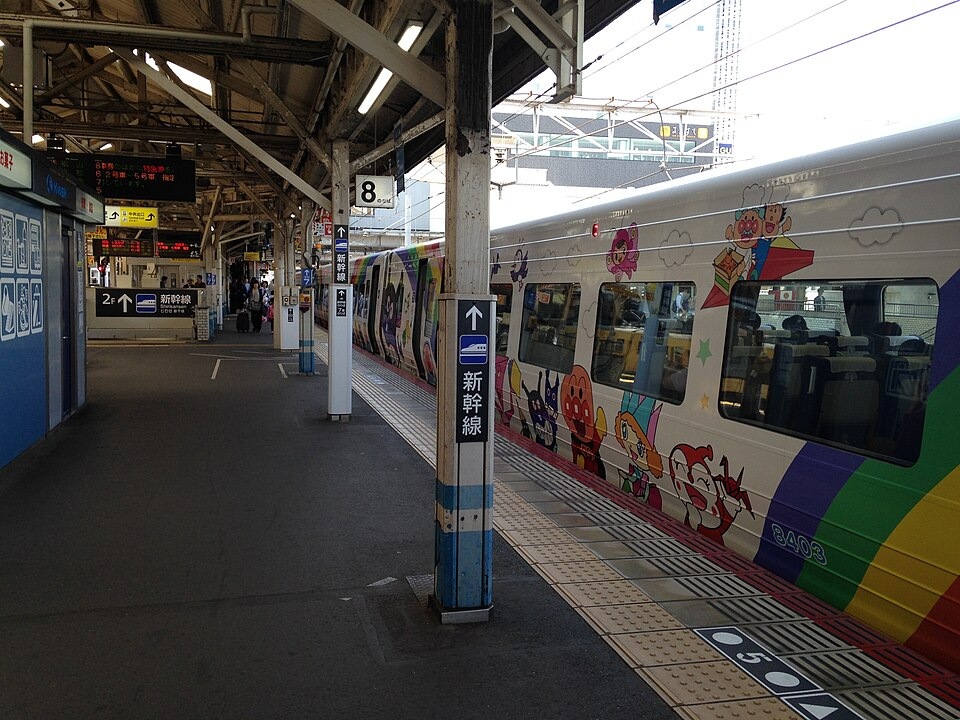
Limited express: understand the additional ticket
JR example: the Narita Express needs a basic-fare ticket and a limited-express ticket. Private-railway example: ordinary carriages on a Keihan limited express use the normal fare, while the Premium Car needs a separate reserved-seat ticket. This is why the service name alone does not tell you which ticket to buy.
Some JR limited expresses are entirely reserved-seat trains. Check seating when choosing the journey rather than after finding a train on the platform.
A product labelled a ticketless limited express ticket may not include the basic fare. As with reserved and unreserved seats, distinguish your seat arrangements from the fare for travelling the route.
A private railway may use the name differently
The additional-ticket explanation here is JR-focused. Private railways have their own train and seating charges; do not transfer a rule simply because another service is called a limited express.
At the station, match departure time, destination, platform and stopping list to your journey. Knowing your exit station and the tickets you hold is more useful than memorising every train label.
Practical visitor information checked: 5 October 2026.
Information checked: October 3, 2026.
Official sources
Photo credits
- Local Train @kofusta.jpg — JNR583
This photo was taken with Canon PowerShot SX620 HS, CC BY-SA 4.0 / Taken on 4 April 2018, 15:06:30. Resized only.
- Limited Express Train “Shiokaze” (Anpanman Train) and platform of Okayama Station (Local lines).JPG — そらみみ, CC BY-SA 4.0 / 4 May 2016, 11:24:33. Resized only.

_and_platform_of_Okayama_Station_(Local_lines).JPG)
Structure and selected guidance updated: October 13, 2026.