Where to Stay in Tokyo: Five Areas Compared by Your Mornings and Nights
Tokyo Station, Shinjuku and Ueno are all described as convenient. The difference is what they are convenient for. Before choosing a hotel, put three points on the map: where you arrive, where you will spend late evenings and where you leave Tokyo.
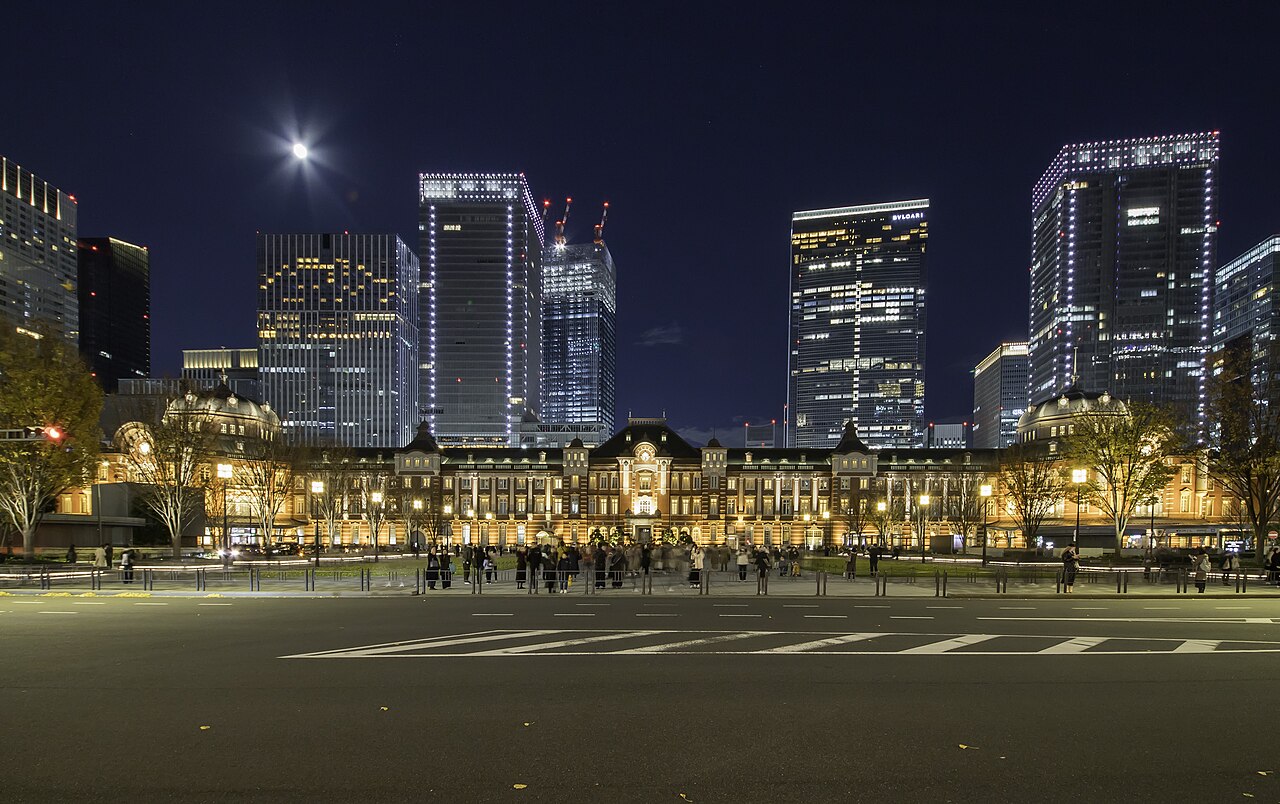
Consider Shinjuku for nights out, Ueno for a Narita arrival and eastern Tokyo, Tokyo Station for easier Shinkansen departures, Asakusa for morning and evening neighbourhood walks, and Shinagawa for Haneda Airport or the Tokaido Shinkansen.
- Ueno: Eastern Tokyo
- Asakusa: Morning and evening walks
- Shinjuku: Nights out
- Tokyo Station area: Shinkansen departures
- Shinagawa: Haneda and onward journeys
Shinjuku: stay near where the evening ends
If your plans combine Shibuya and Harajuku with dinner in Shinjuku, a hotel here can work well. There are many restaurants, and a late evening need not end with several trains back to the hotel.
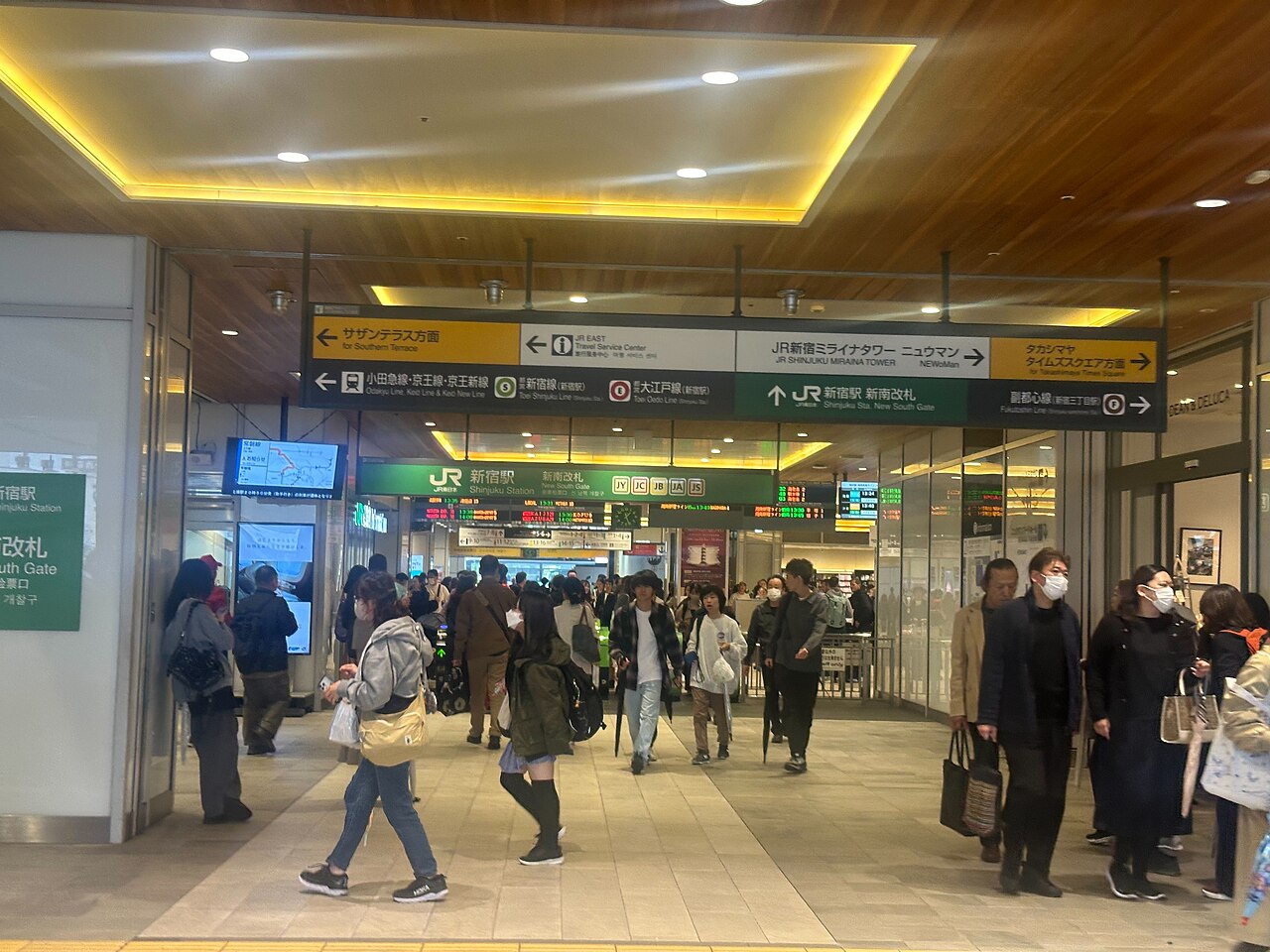
Shinjuku Station is large, though. A hotel described as five minutes away may still require a long station walk if it is opposite the exit you use. Check the hotel against the gates for your usual line before booking.
Ueno: arrive from Narita and explore the east
Ueno is worth considering when Ueno Park, Asakusa and Akihabara dominate the itinerary. It is also useful to compare when planning travel from Narita Airport.
For a Skyliner arrival, measure the walk from Keisei-Ueno Station, not just JR Ueno. The two station names refer to different arrival points. Put your hotel and the station you will actually use on the map, then separately check its walk to JR or subway services for sightseeing. An “Ueno hotel” label alone does not tell you which of those walks is shortest.
If you head to Shibuya or Shinjuku every day, you will cross the city repeatedly. Choose it for your destinations rather than assuming everywhere in Tokyo is nearby.
Tokyo Station area: simplify a morning Shinkansen departure
On the morning you leave for Kyoto or Osaka, transferring between subway and JR with a large suitcase adds effort. Staying near Tokyo Station can reduce that journey.
Include Nihonbashi, Kyobashi and Hatchobori in the search. Decide whether you need walking distance or can accept one or two stops. Tokyo Station has many exits, so check the route to the Shinkansen gates rather than the station name alone.
Asakusa: make early and late walks part of the trip
Staying in Asakusa is about more than daytime sightseeing. You can walk around Sensoji early, then return past Nakamise as the shops begin closing at night. If those moments appeal, staying nearby has value.
Allow for the travel time if Shinjuku or Shibuya is still on the plan every day.
Shinagawa: prioritise the next journey
Shinagawa is especially useful around a Haneda Airport or Tokaido Shinkansen journey, rather than as a sightseeing destination itself. Before an early departure, compare suitcase transfers more closely than the sights beside the hotel.
Compare arrival, evenings and departure
Put your candidate hotels on the map and compare travel to your arrival point, evening destination and departure point. Daytime sightseeing can accommodate a little distance. Arrival with luggage, a tired late evening and a timed departure are often harder to adjust.
If taking a large suitcase on the Shinkansen, check the oversized-baggage reservation rules beforehand.
Photo credits: Tokyo Station © Kakidai / Wikimedia Commons / CC BY-SA 4.0. Shinjuku Station © Nesnad / Wikimedia Commons / CC BY 4.0.
.jpg)
