Where to Stay in Kyoto: Kyoto Station, Shijo or Gion?
Choosing a Kyoto hotel only because it is close to Kiyomizudera or within walking distance of Gion can make the next day’s Fushimi Inari, Arashiyama or Shinkansen journey more awkward.
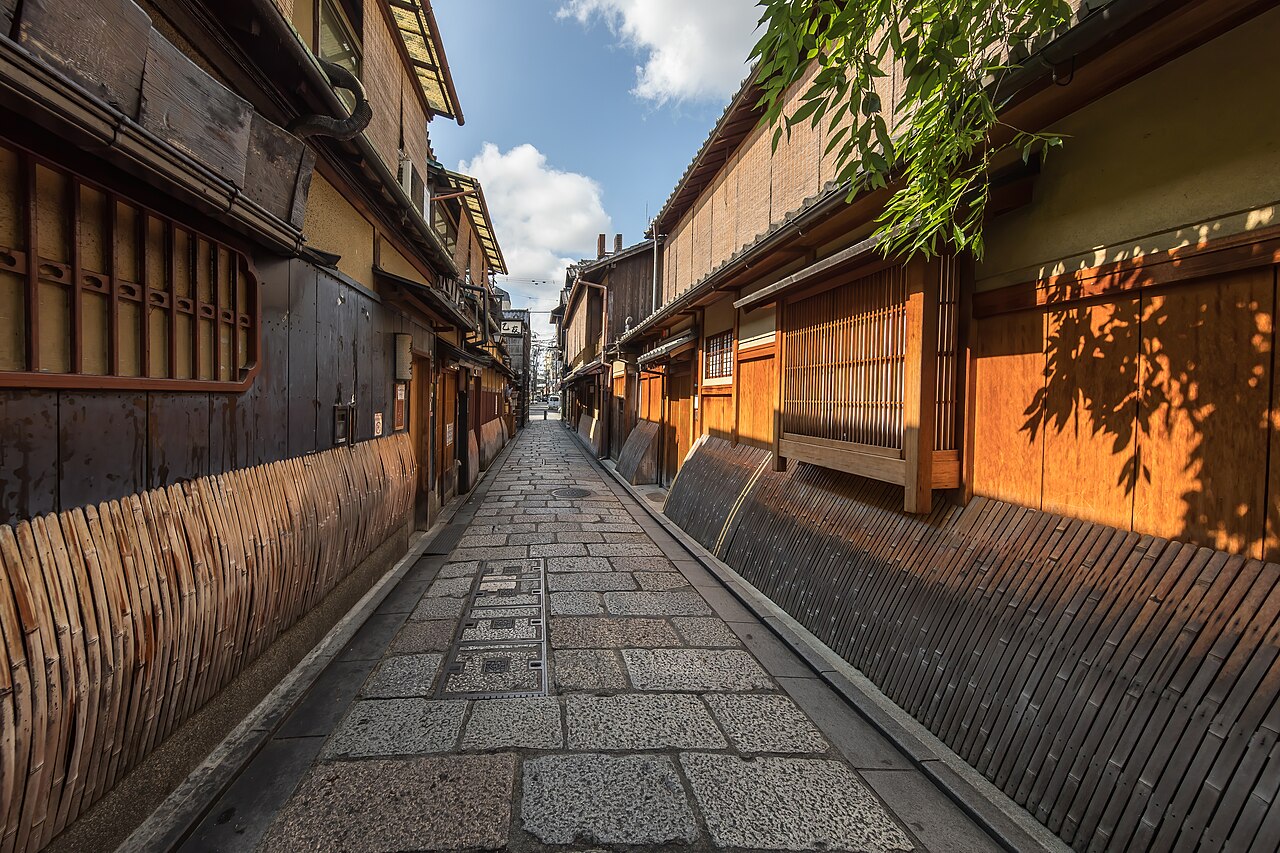
Choose Kyoto Station for days heading in different directions, Shijo-Kawaramachi or Shijo-Karasuma for dinner and evening walks, and Gion or Higashiyama when early walks through eastern Kyoto are central to the trip. Alongside sightseeing distance, consider rail access and how you will travel on luggage days.
- Gion / Higashiyama: Early neighbourhood walks
- Shijo area: Dinner and central-city walks
- Kyoto Station area: Arrival and departure days
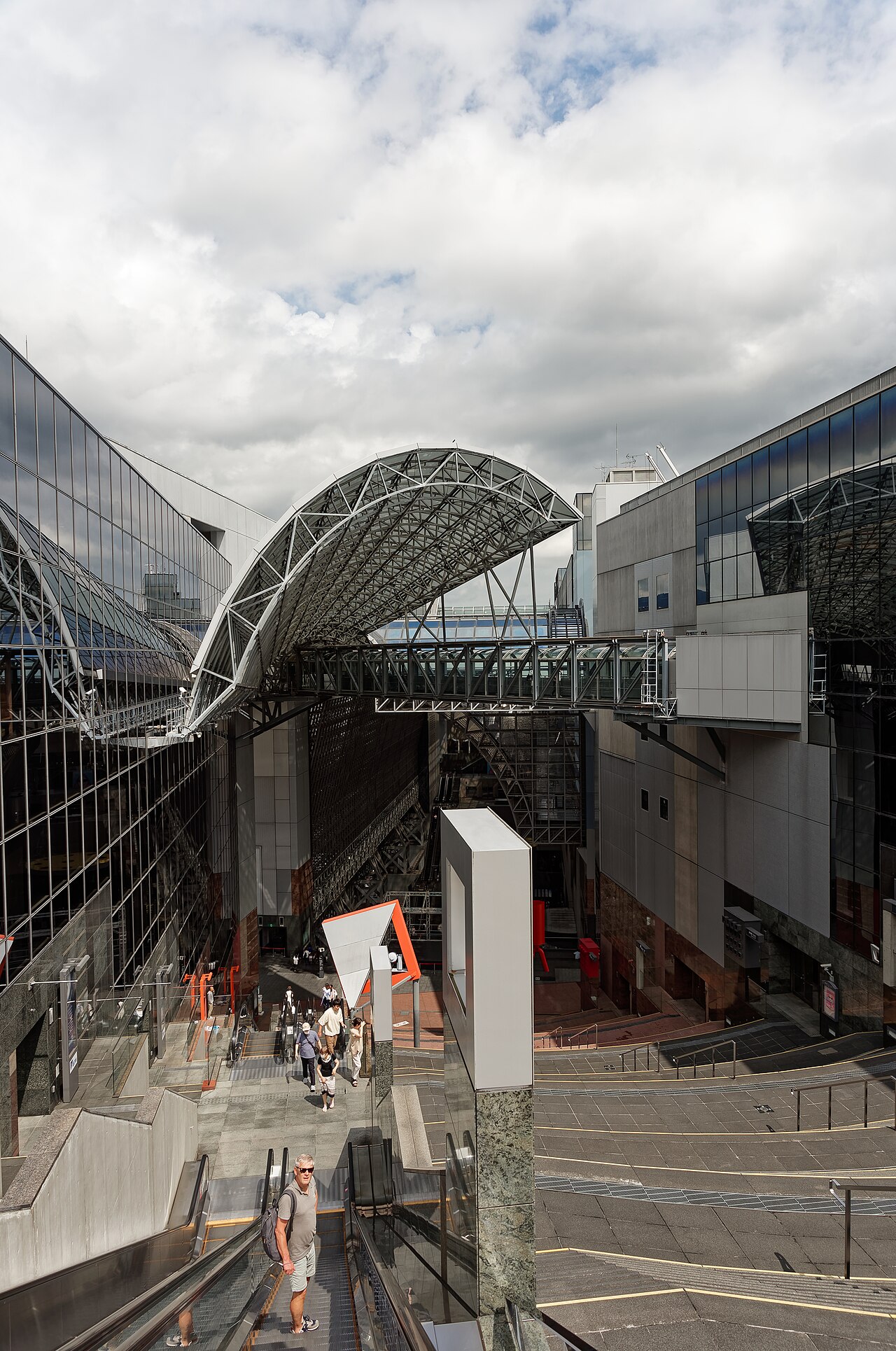
Kyoto Station: easier arrival and transfer days
The station area’s strength is organising travel rather than its streetscape. If Fushimi Inari and Arashiyama fall on different days, followed by a Shinkansen departure, this base reduces trips across town with a suitcase.
It also suits an itinerary with Tokyo, Osaka or Hiroshima before or after Kyoto. You may find less of the atmosphere you want for evening walks immediately around the hotel, but getting around is easier to organise.
Shijo-Kawaramachi / Shijo-Karasuma: put food at the centre
Staying centrally makes it easy to return for a rest before dinner or a walk beside the Kamo River. It also works for plans linking Nishiki Market, Kawaramachi and Gion on foot.
Shijo-Kawaramachi and Shijo-Karasuma are not the same place. Check whether your hotel is near the subway or better placed for Hankyu or Keihan. Look beyond the station name to the line you will need the next morning.
Gion / Higashiyama: make time for early walks
If you want Gion or the streets around Kiyomizudera before crowds build, then dinner in Higashiyama and a quiet walk home, staying here has a clear appeal.
Plan the luggage journey from Kyoto Station separately. Check for slopes or steps, whether rail and walking suit the route, or whether to use a taxi. Being close to a sight does not automatically make moving bags easy.
Look at rail before relying on sightseeing buses
Kyoto City recommends using rail, including the subway, to help ease crowded city buses. Even if a bus stops near your destination, compare routes by train and on foot in busy seasons.
Use Kyoto City’s Getting Around Kyoto guide to compare its train-line map and recommended routes to your main sights. Mark the hotel’s nearest railway station separately from its nearest bus stop. A property beside a bus stop may suit one attraction but leave you with a less convenient rail journey to Arashiyama or your next city; check those days before booking.
Before booking, check how you would reach your main destinations by rail from the hotel. The route you use with a suitcase may differ from your sightseeing route.
Match the area to your itinerary
- Arriving from Tokyo, visiting Fushimi Inari and Arashiyama, then continuing to Osaka: Kyoto Station area.
- Sightseeing by day and choosing restaurants on foot in the centre at night: Shijo-Kawaramachi or Shijo-Karasuma.
- A trip mainly about early walks around Kiyomizudera, Gion and Higashiyama: Gion or Higashiyama.
Before looking at room photographs, check the path to your railway station and the routes for luggage days. It makes judging the area much easier.
See Kyoto City Transportation Bureau’s crowd-management guidance. To travel without large bags, consider hotel-to-hotel luggage delivery.
Photo credits: Gion © Basile Morin / Wikimedia Commons / CC BY-SA 4.0. Kyoto Station © Jakub Hałun / Wikimedia Commons / CC BY 4.0.

