Kyoto Without Relying on Buses: Train Routes and Walkable Sightseeing Areas
Build a Kyoto day around trains for longer journeys and walking within one area. The city tourism association recommends reaching nearby rail stations first, then adding buses where they help.
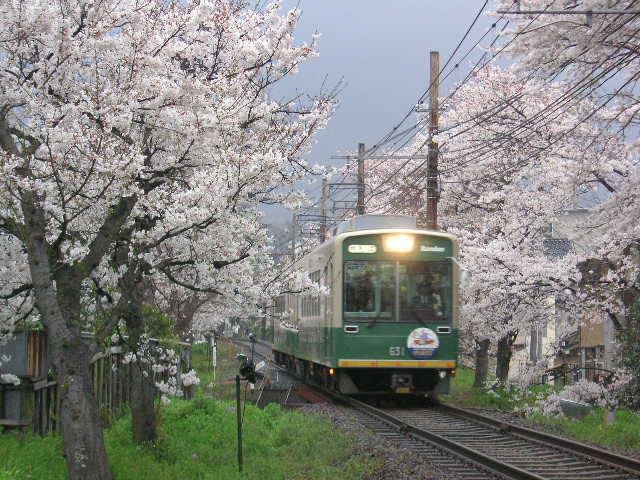
This route starts with Fushimi Inari from Kyoto Station and continues to Gion in the afternoon. It reduces the part of the day exposed to road traffic without replacing every bus ride with a long walk. Trains can be crowded too; keeping sights close together matters as much as the transport.
One day: Fushimi Inari, then Gion
Morning: the JR Nara Line to Inari
From Kyoto Station, choose a train that stops at Inari. Your time at the shrine depends on how far you follow the torii-lined paths. Leaving the summit optional lets you turn back according to tiredness or weather. Read how far to climb at Fushimi Inari if you are choosing a route.
Use the full station name when planning this route: JR Inari and Keihan Fushimi-inari are different stations. Kyoto’s official Fushimi access guide recommends the JR Nara Line from Kyoto Station and Keihan for a direct link with Gion-shijo. Choose the return station for where you are going next, rather than automatically retracing the journey to Kyoto Station.
Afternoon: Keihan towards Gion-Shijo
After the shrine, walk to Keihan’s Fushimi-Inari Station and travel towards Gion-Shijo. Include the station walk and transfers in the day. Spend the afternoon on a meal, Gion’s streets and the Kamo River rather than adding another distant attraction.
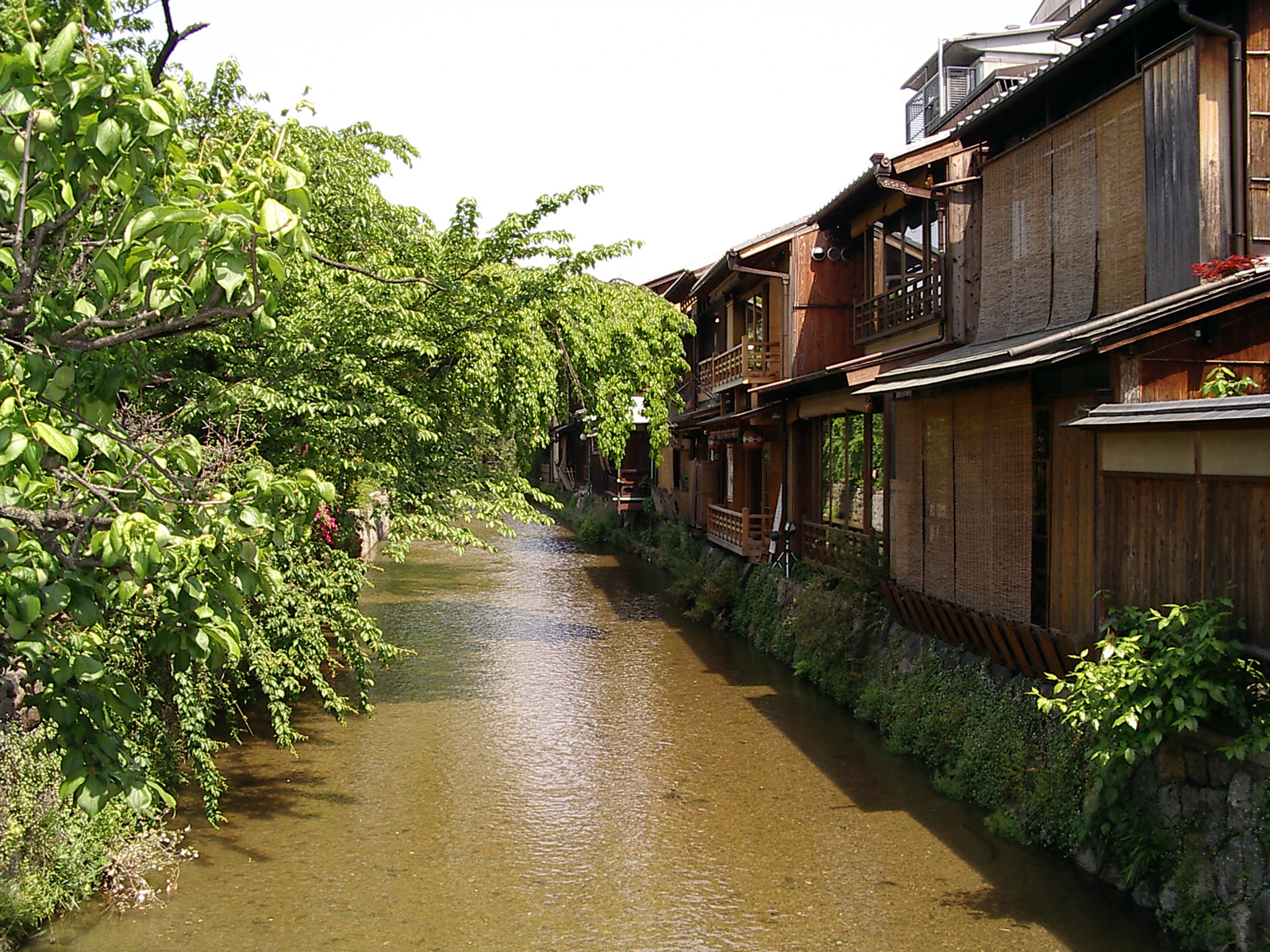
Return by the railway that suits your hotel; there is no need to retrace every street. If you walk as far as Sanjo, Sanjo Keihan connects with the subway Tozai Line.
If you want to visit Kiyomizu-dera too
Keihan’s Kiyomizu-Gojo can be a starting point, but the approach to the temple includes an uphill walk. In heat or with limited mobility, leave breaks and a short bus or taxi leg in the plan. Limited express trains skip Kiyomizu-Gojo, so look at stops, not just destinations.
For an autumn evening in Kurama, plan the return separately from this daytime city route. The Kurama Fire Festival 2026 guide covers the day’s restrictions and planning the train journey home.
Give Arashiyama another day
Keeping Arashiyama separate from Fushimi Inari and Higashiyama shortens cross-city travel. Choose the railway by where you are staying.
- From Kyoto Station: JR Sagano Line to Saga-Arashiyama.
- From Shijo or Kawaramachi: Hankyu via Katsura, changing to the Arashiyama Line.
- From Shijo-Omiya or combined with northwestern temples: Randen’s Arashiyama Main Line and Kitano branch, which splits at Katabiranotsuji.
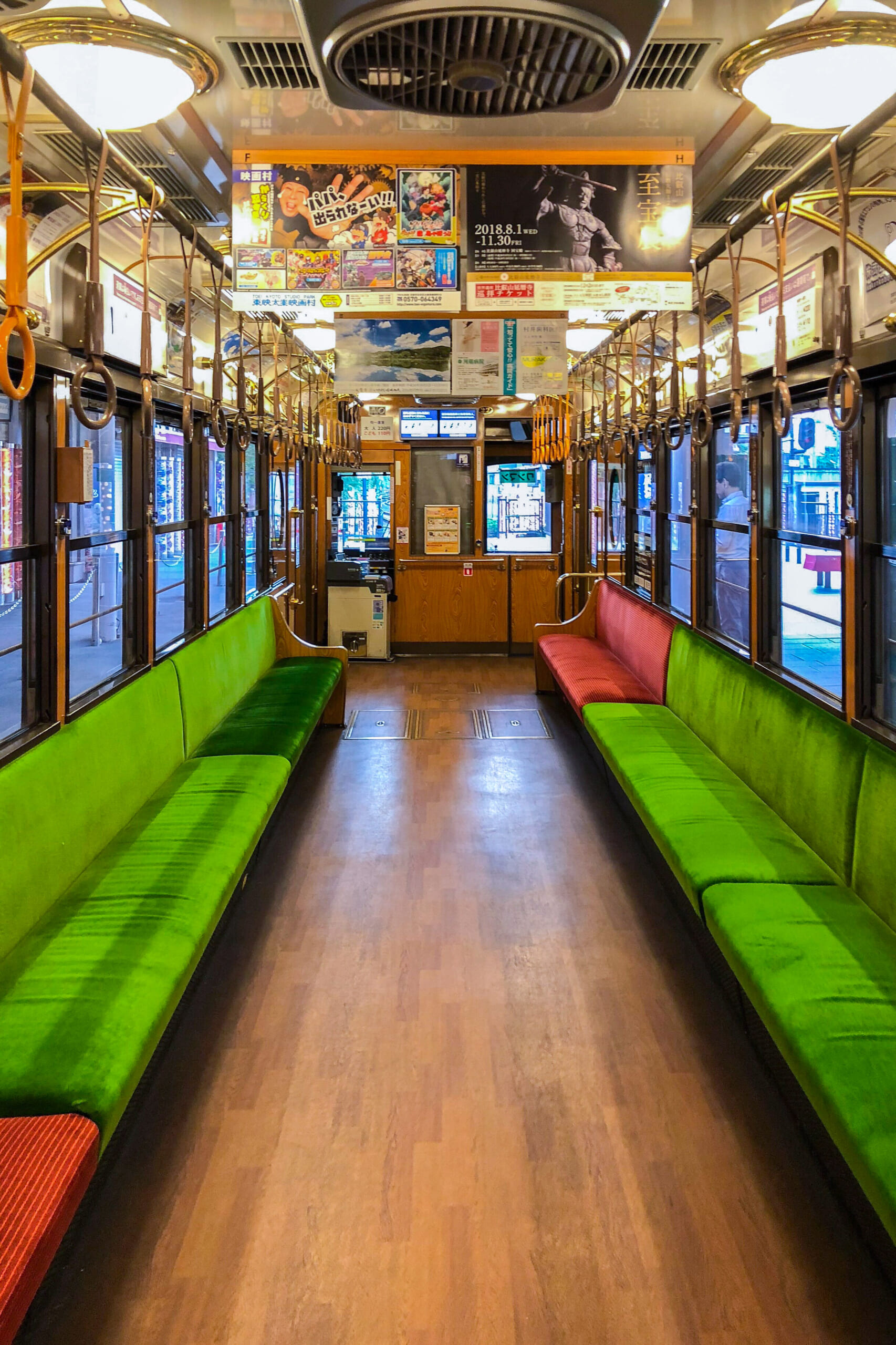
Saga-Arashiyama, Hankyu Arashiyama and Randen Arashiyama are separate stations. Arrive at one and leave from another to fit the riverside and bamboo-grove walk, unless you need to collect bags stored along the way. Arashiyama beyond the bamboo grove has ideas for the rest of the outing.
Use a bus for the final stretch
A temple away from rail stations may be easier by bus. Take JR or the subway closer first instead of riding all the way from Kyoto Station. Walking need not be a rule you stick to after your feet are tired.
An IC card is convenient across railways, but each company charges its own fare. Day passes do not cover every line either. Choose the route before choosing the ticket; IC cards and local bus basics cover the boarding details.
Use the official route planner below for the day’s connections. If a bus queue is long, have a meal or walk nearby first. Leaving the order of the day flexible can be as useful as changing transport.
Information checked: October 2, 2026.
Official sources
Photo credits
- Randen cherry blossom.jpg — Nkensei, CC BY-SA 3.0.
- Old Fashion Tramway (44951629635).jpg — Benh LIEU SONG from Torcy, France, CC BY-SA 2.0 / 2018-10-16 06:34.
- Kyoto gion01.jpg — Moja, CC BY-SA 3.0.

.jpg)
