Stay near Nikko Station or Lake Chuzenji? Start with tomorrow morning
Before comparing hotel photographs, choose where you want to start tomorrow morning. Nikko’s station area makes sense for temples followed by an onward train. Lake Chuzenji gives you a different starting point for the lakeshore and Senjogahara.
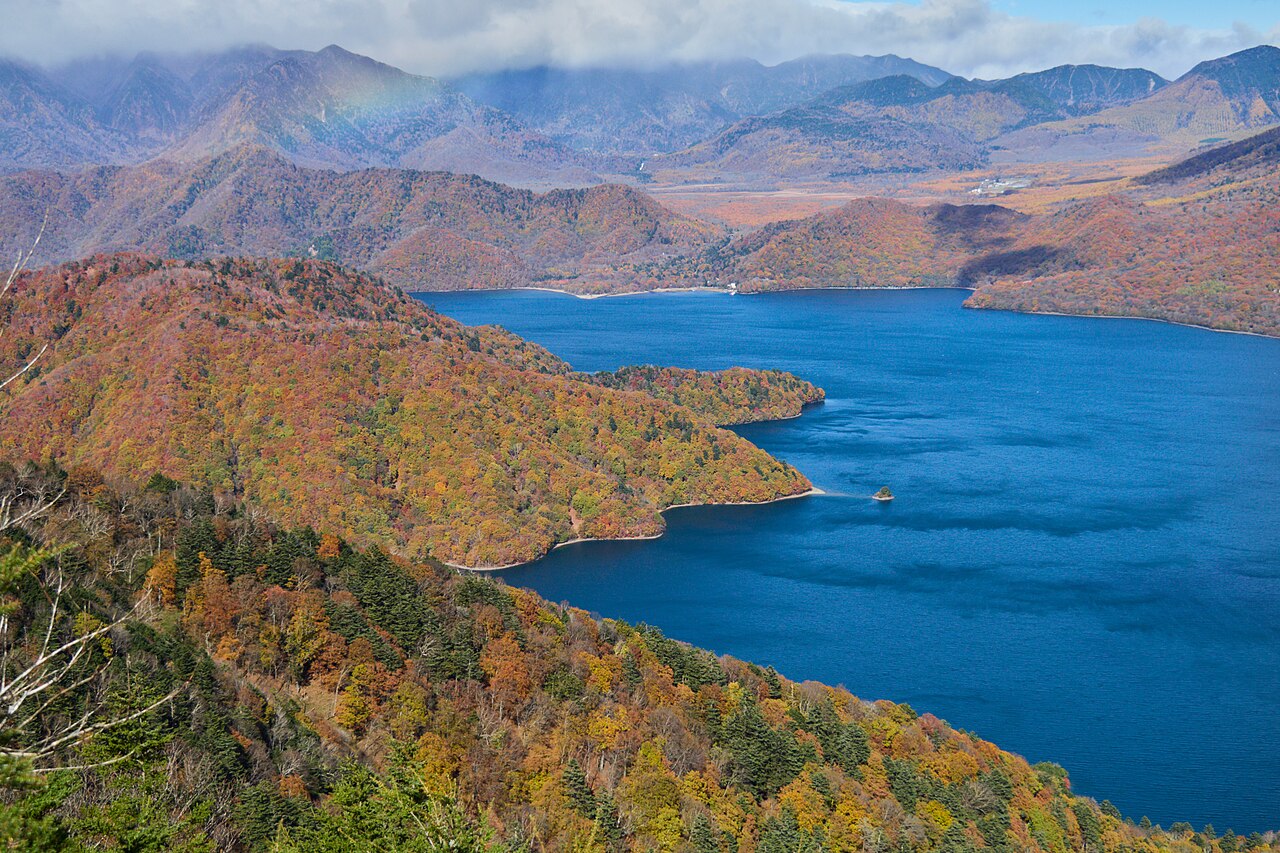
Neither is universally better. In autumn, the number of trips you make up and down Irohazaka can matter as much as the room. Consider arrival, dinner and the next morning together.
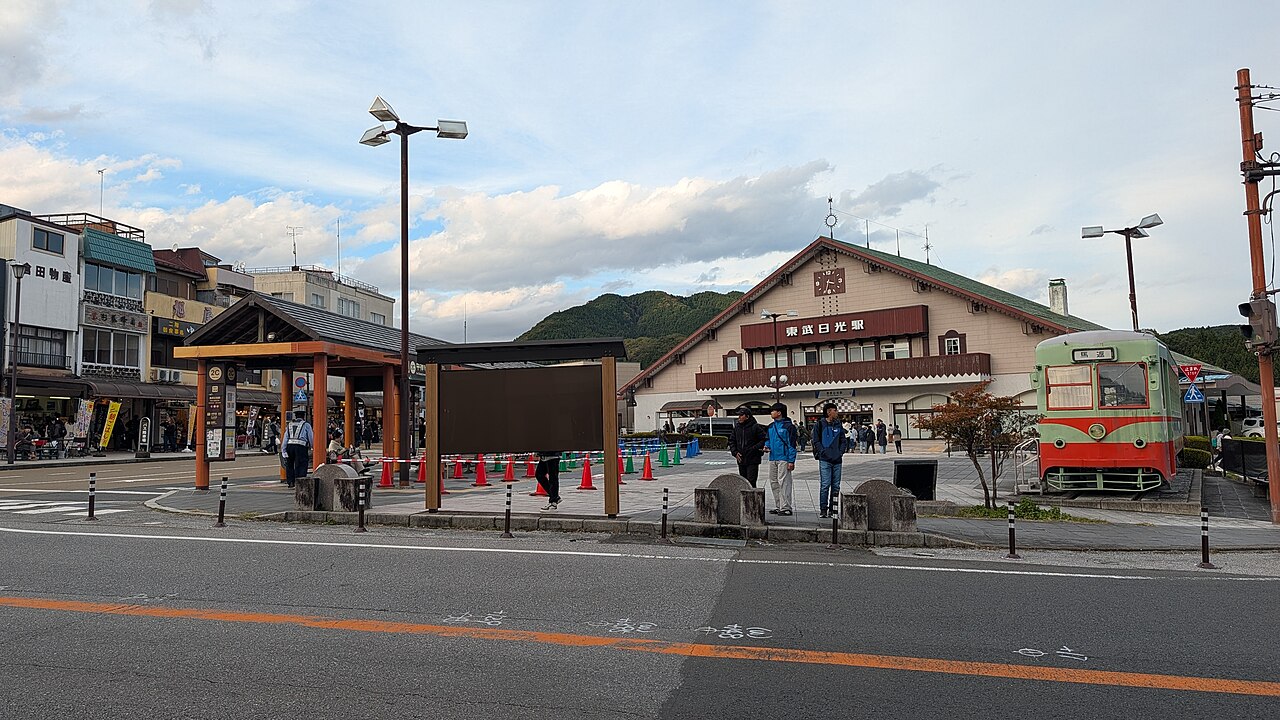
The station area: build around the train
A base near JR Nikko or Tobu-Nikko Station can simplify arrival with bags and departure the following day. It is a useful option for an afternoon temple visit followed by a train to another city.
But “near Nikko Station” and “near Toshogu” are not the same location. Check the actual address and bus stop, the walk from the station and the journey back from the temples. If slopes with luggage are difficult, include the gradient and any confirmed transfer service in the decision.
Staying below the lake and leaving early for Oku-Nikko does not remove the uphill journey. Use the tourism association’s 2026 congestion information alongside current bus conditions.
The lakeshore: put the morning where you want it
Staying near Lake Chuzenji moves your starting point above Irohazaka. It can suit a lakeside walk or a day continuing towards Ryuzu Falls and Senjogahara, without beginning with another trip uphill from the station.
Lake-area hotels are not all beside the same bus stop. A property near Chuzenji Onsen Bus Terminal and one farther along the north shore lead to different dinner and luggage arrangements. A lake view does not establish that everything you need is within walking distance.
Tobu Bus currently lists ¥1,250 for an adult one-way journey from the JR or Tobu station to Chuzenji Onsen. That is the regular bus fare, not a hotel transfer or pass price. Allow for autumn road delays before an onward train rather than relying only on the timetable’s scheduled journey time.
Book dinner as deliberately as the room
For a room-only booking by the lake, establish where you will eat and when the kitchen stops taking orders. Being allowed to check in late does not mean dinner will still be available.
One specific example: Chuzenji Kanaya Hotel’s FAQ says there is no nearby convenience store and no evening restaurant within walking distance. This describes that hotel’s surroundings, not every lakeside property. Check your own accommodation’s meal plan, dinner time and late-arrival contact arrangements.
Near the station, too, look for an actual place open at your arrival time. A cheaper room can become a less convenient stay if dinner requires another journey. Compare the complete evening, including food and the walk home.
Make one overnight stay reduce the backtracking
- Temples, then an onward train: leave bags with a station-area base if it accepts them, visit the temples and keep the following morning close to your departure.
- Lake and wetland: travel uphill on day one, stay near your chosen starting point and reserve time to descend after the next morning’s outing.
- Both areas: consider temples first, a lakeside night and Oku-Nikko the next morning, followed by one descent to the station.
Match the bus timetable and operating notices to check-in, breakfast and baggage-storage arrangements. Count a hotel shuttle only once the property has confirmed your service.
For tickets, see NIKKO PASS World Heritage Area versus All Area. Once tomorrow’s first stop is clear, the right overnight base becomes a much easier choice.
Official information
Information checked: October 13, 2026.

