How to Choose an Ekiben: Regional Bento to Enjoy on the Shinkansen
Faced with a wall of ekiben boxes, start with meat, fish, or a little of several things. The picture of the meal is often more useful than recognising its name.
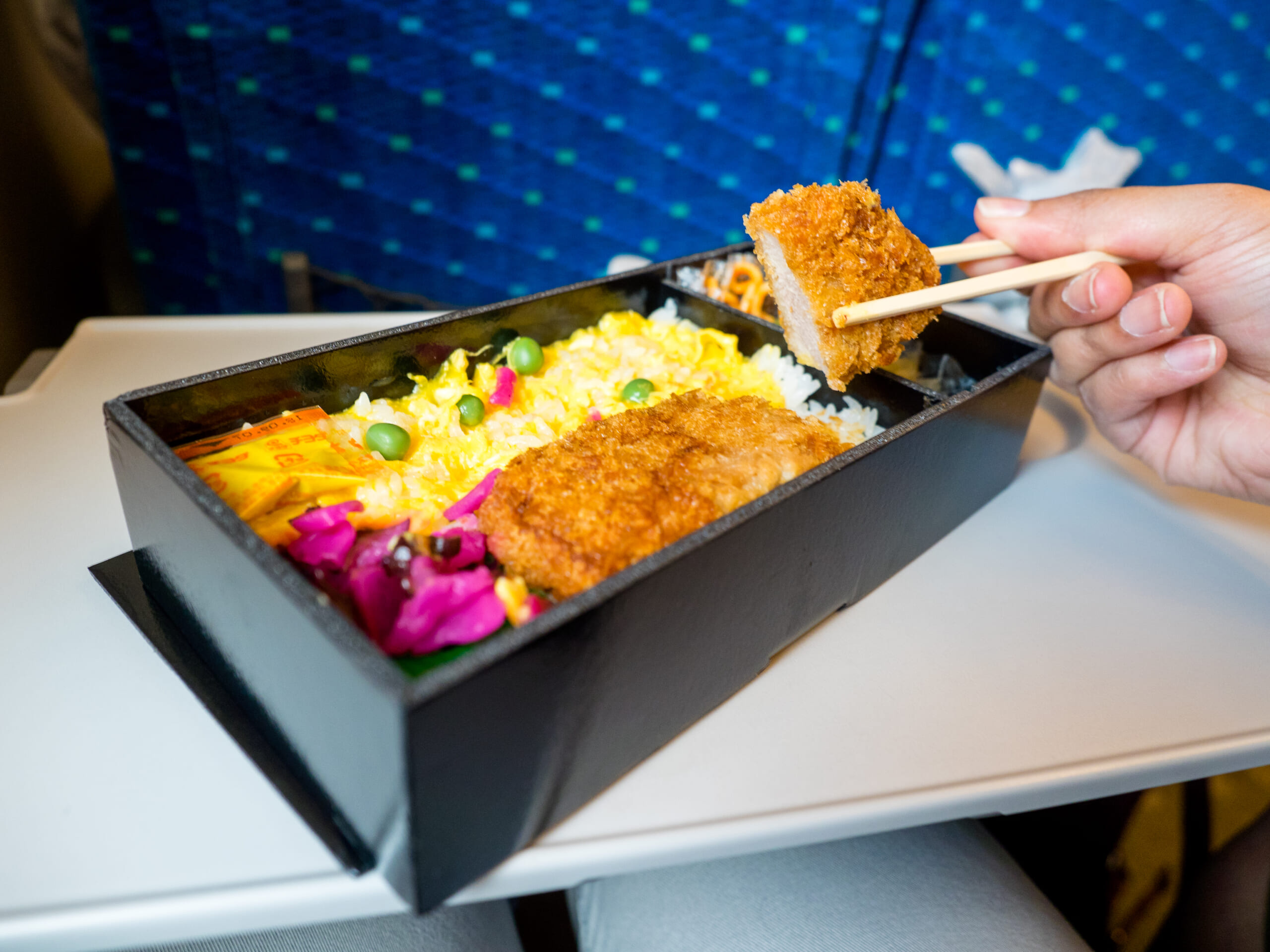
Choose your lunch—and perhaps another destination
Beef or chicken over rice makes a substantial meal. Fish choices include cooked fish and pressed sushi; makunouchi combines rice with several small dishes. If an afternoon food outing is already planned, a smaller box may suit the day.
Regional names are part of the pleasure: Toyama’s masu sushi or Gunma’s Toge no Kamameshi, for example. Big stations stock lunches from other regions too, so look at the place and producer on the packaging rather than assuming everything is local.
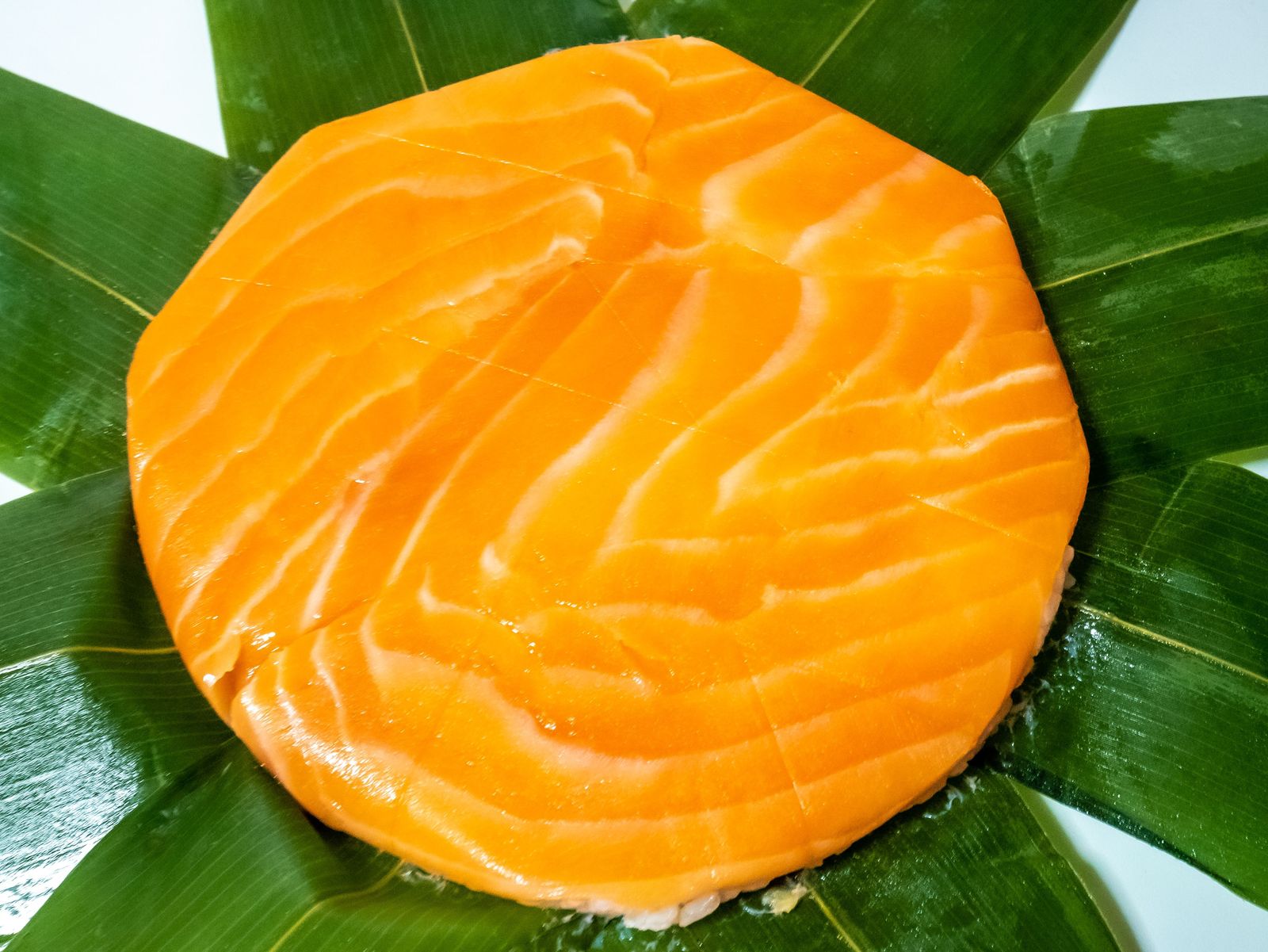
Compare size and price as well as the photograph. A vegetable-looking meal may still use animal ingredients in stock or seasoning. Read the label and ask the shop; food allergies in Japan has more on the limits of judging by appearance.
Find the shop before going through the next gates
Shops can be outside the gates, inside the conventional-rail area or inside the Shinkansen area. Tokyo Station’s Ekibenya Matsuri is a Gransta Tokyo shop inside the JR gates. Locate your shop before entering another gated area to avoid backtracking.
Leave time to choose, pay and reach the platform. Arrive early rather than joining a queue just before departure; if it is too long, try a nearer shop or eat before the journey. Finding your way around Tokyo Station helps with the station part.
Onboard food services on the Tokaido Shinkansen are limited to specified trains and seating. Buy your meal and drink at the station, and check for chopsticks and a hand wipe while you are there.
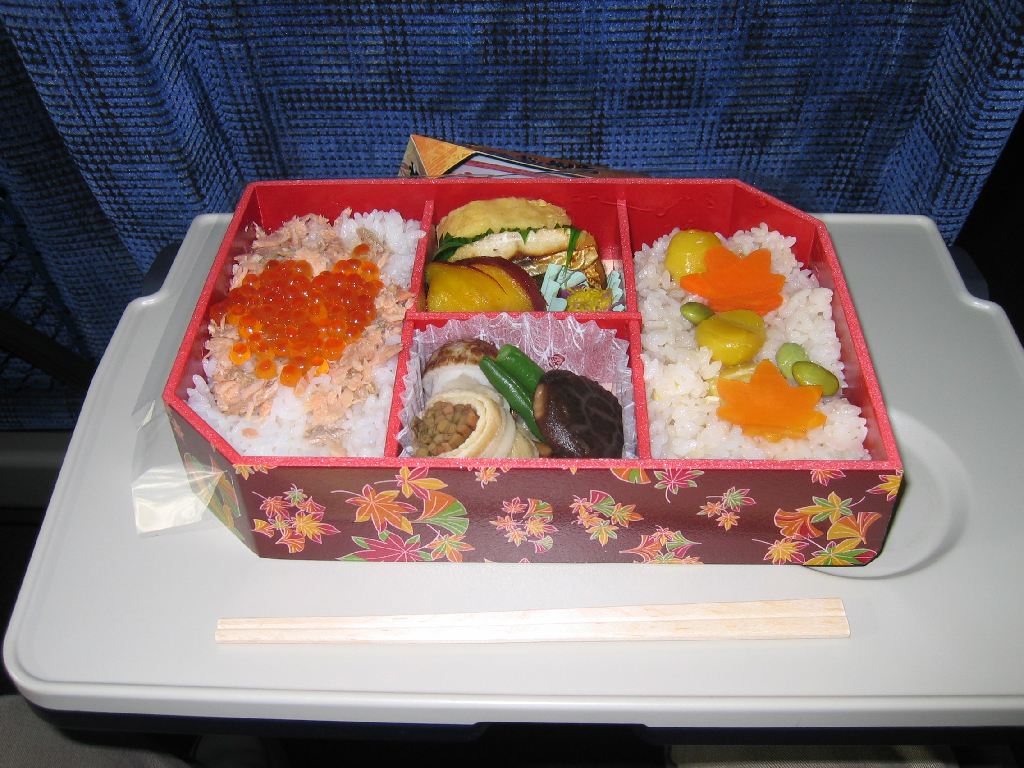
Choose the journey for your meal
A Shinkansen journey with a seat table is a natural setting for an ekiben. JNTO’s etiquette guidance distinguishes this from commuter trains, where eating is considered poor manners. Do not assume that buying a bento at a station makes every train the right place to open it. If your next ride is a commuter service, plan to eat in a suitable place before or after that ride, and follow onboard signs.
Settle into your seat and open the lid
A box that fits your seat table is easier on a moving train. Keep it out of the aisle and neighbouring space, and take care with liquids. For a self-heating container, follow the package instructions and onboard guidance.
Follow the storage instructions and use-by time, and eat the bento on the journey you bought it for rather than carrying it around all day. Afterwards, bag the packaging and use train or station bins according to their signs.
The scenery outside, a place name on the box and something a little different for lunch: an ekiben can be a small pleasure in a day otherwise spent getting somewhere.
Information checked: October 2, 2026.
Official sources
Photo credits
- Chicken Bento Box – Shinkansen (42174775622).jpg — Ajay Suresh from New York, NY, USA, CC BY 2.0 / 2018-04-12 14:08.
- Japan Pic 1 Bento.jpg — Fozzibab at English Wikipedia, Public domain / 2004-10-27.
- 寿司一 厚身のますの寿司特上20220101-P1290933.jpg — くろふね, CC BY 4.0.
.jpg)


Structure and selected guidance updated: October 12, 2026.